

The process to obtain a green card in USA with marriage can vary widely based on who your spouse is (a U.S. citizen or a lawful permanent resident) and whether you are inside or outside the United States. This guide explains the steps, realistic timelines, required forms, common delays, and practical tips to keep your case moving smoothly.
What is a marriage-based green card and who qualifies?
A marriage-based green card gives a foreign spouse lawful permanent resident status in the United States. Eligibility depends on a valid marriage to either a U.S. citizen (immediate relative category) or to a lawful permanent resident (LPR, also called a green card holder) in a family preference category.
High-level timeline comparison
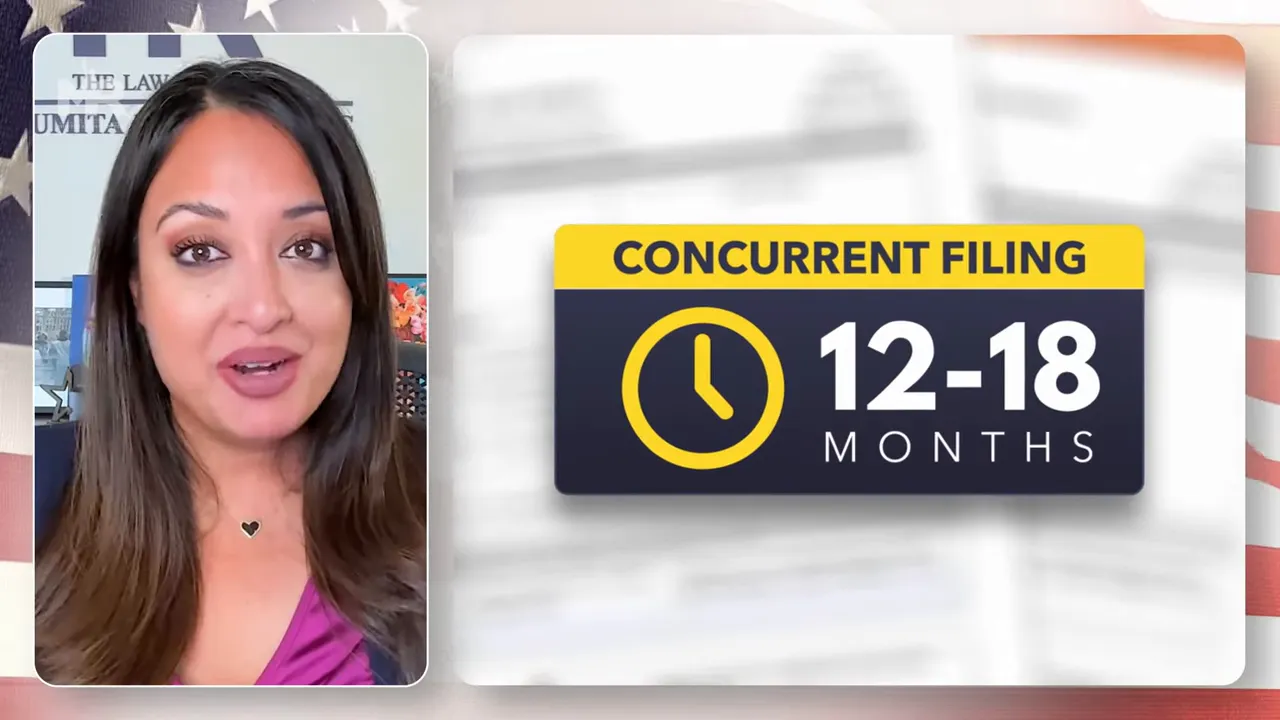
- Spouse of U.S. citizen living in the U.S.: Often the fastest route due to the ability to file concurrently. Typical total time 10 to 23 months.
- Spouse of LPR (inside the U.S.): Must wait for a visa to become current under the Visa Bulletin. Processing can be 13 to 30+ months depending on backlog and status maintenance.
- Spouse living abroad (consular processing): Starts with I-130 approval, transfer to National Visa Center (NVC), DS-260, then interview at a U.S. consulate. Expect 13 to 16 months for spouses of U.S. citizens; 2.5 to 3+ years for spouses of LPRs during backlogs.
Step-by-step: forms and milestones
- File Form I-130 (Petition for Alien Relative) — sponsor files this to establish relationship and create a case number.
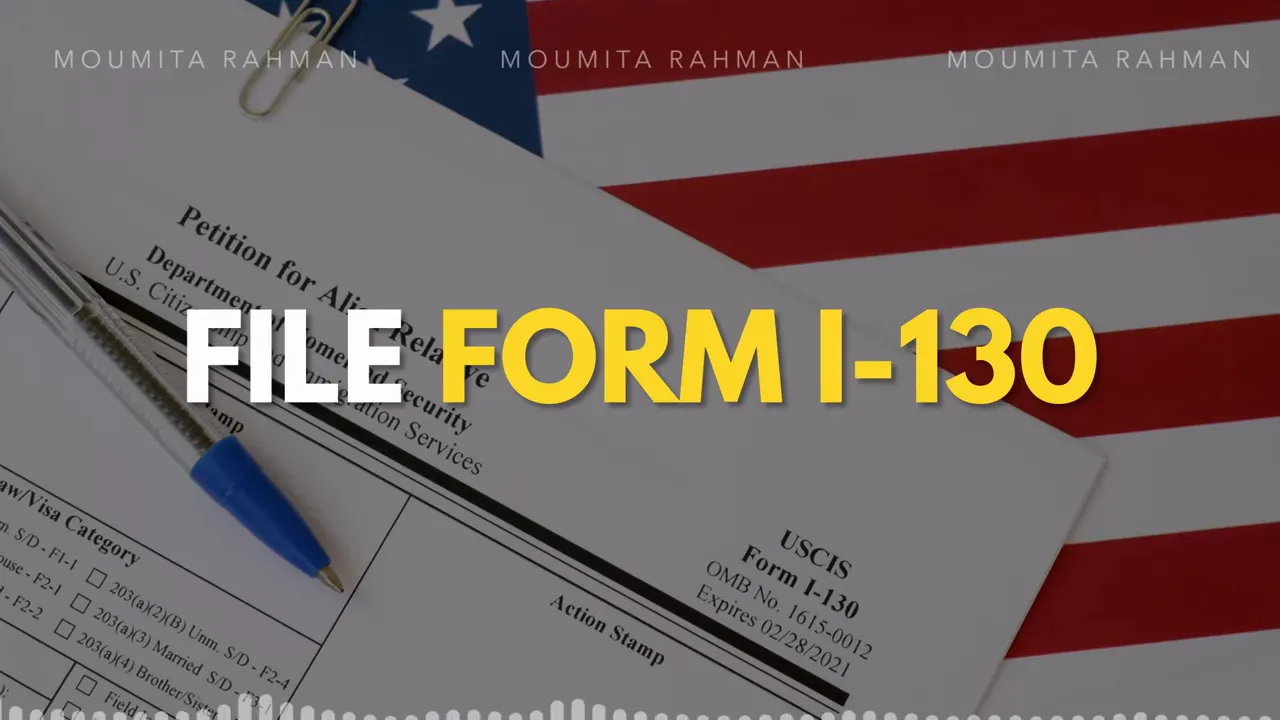
- Receive I-130 receipt and monitor for RFE — USCIS may request additional evidence. Prepare complete supporting documents to avoid Requests for Evidence (RFEs).
- If inside the U.S. and spouse is a citizen: file I-485 concurrently (Adjustment of Status). Concurrent filing speeds up processing.
- Work and travel authorizations — file Form I-765 (work authorization) and Form I-131 (advance parole) together with I-485 if eligible. Typical EAD adjudication is 3 to 6 months; advance parole 6 to 12 months.
- Medical exam and Form I-693 — done by a USCIS civil surgeon and submitted with the adjustment packet or at interview.
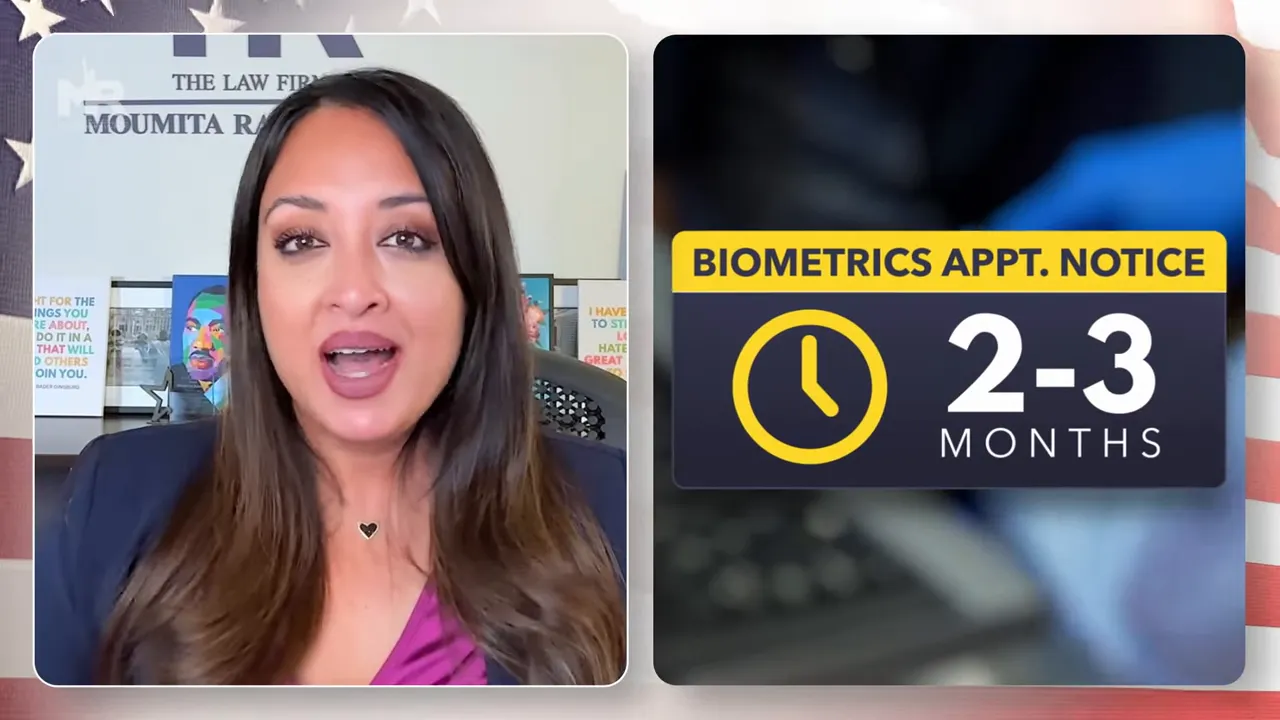
- Biometrics appointment — fingerprints and photo scheduled about 2–3 months after filing for most concurrent filers.
- Interview or interview waiver — an in-person interview may occur at a USCIS field office; some offices waive interviews for many applicants.
- Decision and green card delivery — if approved, the card is mailed in weeks; if consular processing, you receive an immigrant visa stamp to enter the U.S., then the green card is mailed after arrival.
Consular processing (spouse lives outside the U.S.)
After I-130 approval USCIS transfers the case to the National Visa Center (NVC). NVC assigns a case number, collects fees, and requests Form DS-260 and supporting documents. Electronic cases typically see faster review; mailed documents can take longer to process.
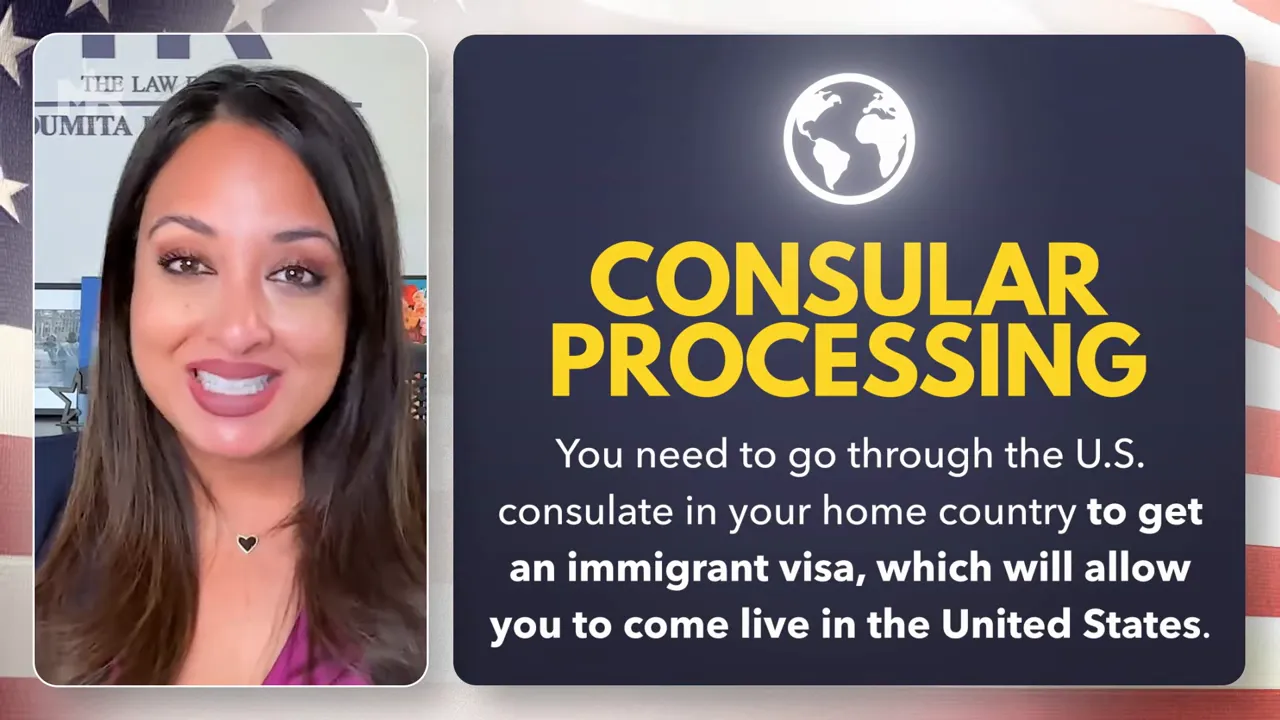
Once the case is documentarily qualified, the consulate schedules the immigrant visa interview. After a favorable decision you receive a passport with an immigrant visa (valid for a limited period to enter the U.S.). 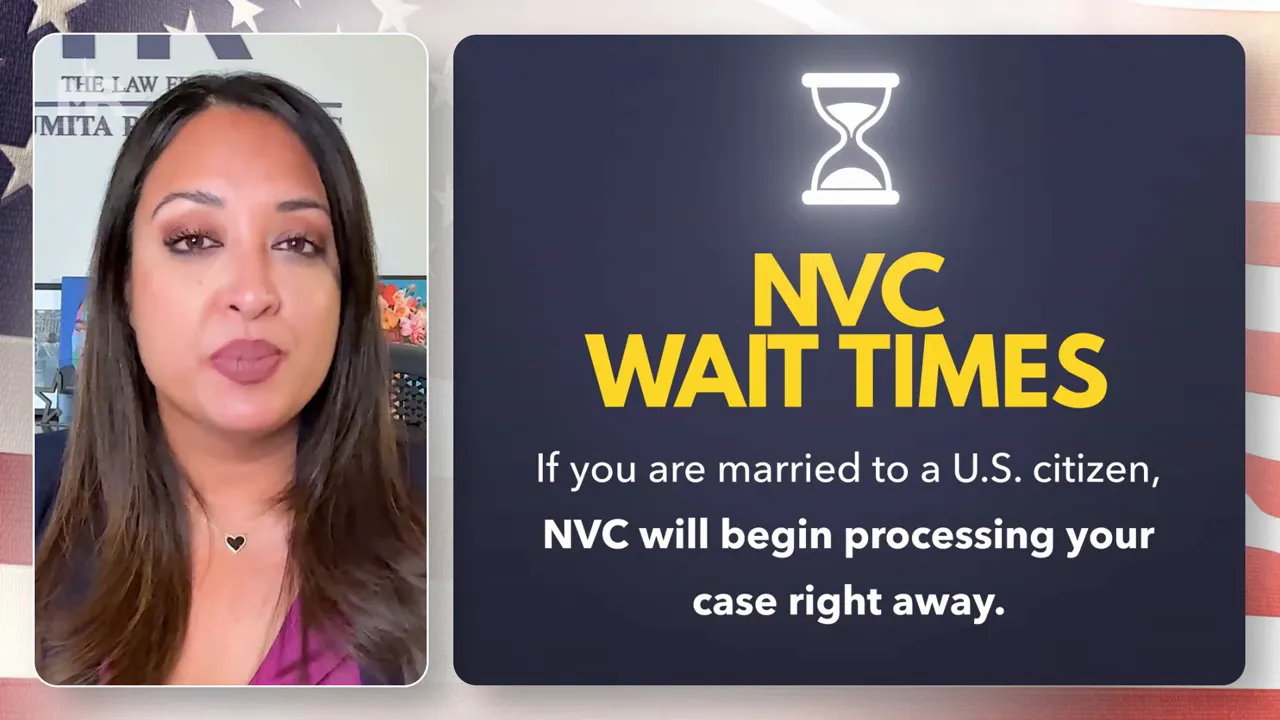
Key factors that change your timeline
- Whether spouse is a U.S. citizen or LPR — immediate relatives have priority and can often adjust status faster.
- Where you are filing — different USCIS field offices and consulates have different workloads and processing speeds.
- Visa Bulletin dates — spouses of LPRs must wait for the F2A category to become current.
- Complete initial filing — missing evidence leads to RFEs, which add months.
- Interview waivers — if the interview is waived, expect savings of several months.
Common pitfalls and how to avoid them
- Accruing unlawful presence — if you are inside the U.S. and not an immediate relative, losing lawful status can block adjustment and force consular processing or waivers.
- Incomplete evidence of bona fide marriage — include joint financial records, leases, photos, affidavits, and clear proof of shared life to reduce interview likelihood.
- Skipping the civil surgeon exam — delays or denials may follow if medical forms are late or improperly sealed.
- Ignoring the Visa Bulletin — monitor it monthly to know when a preference category becomes current.
Practical checklist before filing
- Valid marriage certificate and evidence of genuine relationship
- Copies of passport, birth certificates, and identity documents
- Completed Form I-130 and, if eligible, Form I-485
- Form I-864 Affidavit of Support from sponsor
- Medical exam (Form I-693) or plan to get one before interview
- Plan for paying NVC fees and completing DS-260 for consular cases
- Maintain lawful status if inside the U.S. while waiting
Short FAQs
Can the foreign spouse work while waiting?
If inside the U.S. and you filed Form I-485, you can apply for an Employment Authorization Document (Form I-765). Once approved you may work legally.
When is the green card conditional?
If your marriage is less than two years old when you are granted permanent residence, you will receive a two-year conditional green card and must file Form I-751 within 90 days of expiration to remove conditions.
How long is an immigrant visa valid after consular approval?
Immigrant visas generally must be used to enter the U.S. within 180 days of issuance. Upon entry, you become a permanent resident and receive the physical green card by mail within months.
Takeaway
Getting a green card in USA with marriage is straightforward in process but variable in timing. The fastest path is inside-the-U.S. adjustment as the spouse of a U.S. citizen with concurrent filing. Maintain complete documentation, preserve lawful status, and track the Visa Bulletin and USCIS case status to reduce surprises. A clear checklist and timely medical and financial documents will cut delays and increase the chance of a waiver of interview.


