'%3e%3cpath%20d='M19.5036%200.741211L13.9055%2018.2427L8.53876%200.741211H0.724609L9.65913%2025.5001H18.1578L27.2671%200.741211H19.5036Z'%20fill='white'/%3e%3cpath%20d='M80.0215%200.954346V6.71719H87.7727V25.4998H95.296V6.62243H103.06V0.954346H80.0215Z'%20fill='white'/%3e%3cpath%20d='M72.0068%2014.6583C71.9774%2014.6379%2071.9808%2014.5952%2072.0131%2014.5802C73.0055%2014.1201%2077.055%2012.7664%2077.4696%207.35745C77.8914%201.84945%2072.1717%200.967524%2072.0859%200.954291C72.0837%200.953864%2072.0837%200.954291%2072.0816%200.954291H55.4843C55.4584%200.954291%2055.4375%200.975208%2055.4375%201.00125V25.4528C55.4375%2025.4788%2055.4584%2025.4998%2055.4843%2025.4998H62.3286C62.3545%2025.4998%2062.3754%2025.4788%2062.3754%2025.4528V15.7285C62.3754%2015.7025%2062.3962%2015.6816%2062.4217%2015.6816H63.7623C64.6727%2015.6816%2065.5235%2016.1208%2066.0601%2016.8589C67.9164%2019.4146%2070.5216%2025.0584%2070.7133%2025.4754C70.721%2025.4921%2070.7363%2025.4998%2070.7542%2025.4998H79.0628C79.0951%2025.4998%2079.1176%2025.4673%2079.1074%2025.4366C76.6919%2018.1344%2072.5701%2015.0532%2072.0068%2014.6583ZM66.9755%2010.7725H62.6343C62.6088%2010.7725%2062.588%2010.7516%2062.588%2010.7255V5.6969C62.588%205.67086%2062.6088%205.64994%2062.6343%205.64994H67.3947C68.9658%205.64994%2070.1878%207.15255%2069.712%208.80499C69.3685%209.99854%2068.2132%2010.7725%2066.9755%2010.7725Z'%20fill='white'/%3e%3cpath%20d='M151.954%2014.6583C151.924%2014.6379%20151.928%2014.5952%20151.96%2014.5802C152.953%2014.1201%20157.002%2012.7664%20157.417%207.35745C157.838%201.84945%20152.119%200.967524%20152.033%200.954291C152.031%200.953864%20152.031%200.954291%20152.029%200.954291H135.431C135.405%200.954291%20135.385%200.975208%20135.385%201.00125V25.4528C135.385%2025.4788%20135.405%2025.4998%20135.431%2025.4998H142.276C142.302%2025.4998%20142.322%2025.4788%20142.322%2025.4528V15.7285C142.322%2015.7025%20142.343%2015.6816%20142.369%2015.6816H143.709C144.62%2015.6816%20145.47%2016.1208%20146.007%2016.8589C147.863%2019.4146%20150.469%2025.0584%20150.66%2025.4754C150.668%2025.4921%20150.683%2025.4998%20150.701%2025.4998H159.01C159.042%2025.4998%20159.065%2025.4673%20159.054%2025.4366C156.639%2018.1344%20152.517%2015.0532%20151.954%2014.6583ZM146.923%2010.7725H142.581C142.556%2010.7725%20142.535%2010.7516%20142.535%2010.7255V5.6969C142.535%205.67086%20142.556%205.64994%20142.581%205.64994H147.342C148.913%205.64994%20150.135%207.15255%20149.659%208.80499C149.315%209.99854%20148.16%2010.7725%20146.923%2010.7725Z'%20fill='white'/%3e%3cpath%20d='M43.4556%200.954102H34.5266L25.4258%2025.4996H33.189L34.7099%2021.3268H43.5538L44.7312%2025.4996H52.3978L43.4556%200.954102ZM36.2274%2015.0411L38.9116%206.07663L42.0329%2015.0411H36.2274Z'%20fill='white'/%3e%3cpath%20d='M121.771%2025.2533C123.172%2025.0369%20124.481%2024.6246%20125.718%2023.8557C126.546%2023.3414%20127.3%2022.7062%20127.936%2021.9647C128.724%2021.046%20129.329%2019.9814%20129.764%2018.8523C130.49%2016.9681%20130.109%2014.8111%20130.112%2012.8423C130.116%2011.0055%20130.112%209.1686%20130.112%207.33175V0.5H122.91L122.897%2015.4407C122.897%2015.4407%20122.895%2020.0826%20118.714%2020.1236C118.635%2020.1287%20118.55%2020.1291%20118.467%2020.1312C118.384%2020.1291%20118.299%2020.1287%20118.22%2020.1342C114.038%2020.0826%20114.037%2015.4407%20114.037%2015.4407L114.024%200.5H106.821V7.33175C106.821%209.1686%20106.818%2011.0055%20106.821%2012.8423C106.825%2014.8111%20106.444%2016.9681%20107.17%2018.8523C107.605%2019.9814%20108.209%2021.046%20108.997%2021.9647C111.942%2025.3981%20116.864%2025.8062%20121.08%2025.3438C121.313%2025.3187%20121.543%2025.2884%20121.771%2025.2533Z'%20fill='white'/%3e%3c/g%3e%3cdefs%3e%3cclipPath%20id='clip0_853_3270'%3e%3crect%20width='160'%20height='26'%20fill='white'/%3e%3c/clipPath%3e%3c/defs%3e%3c/svg%3e)


Mevlana Celaleddin Rumî: life and legacy
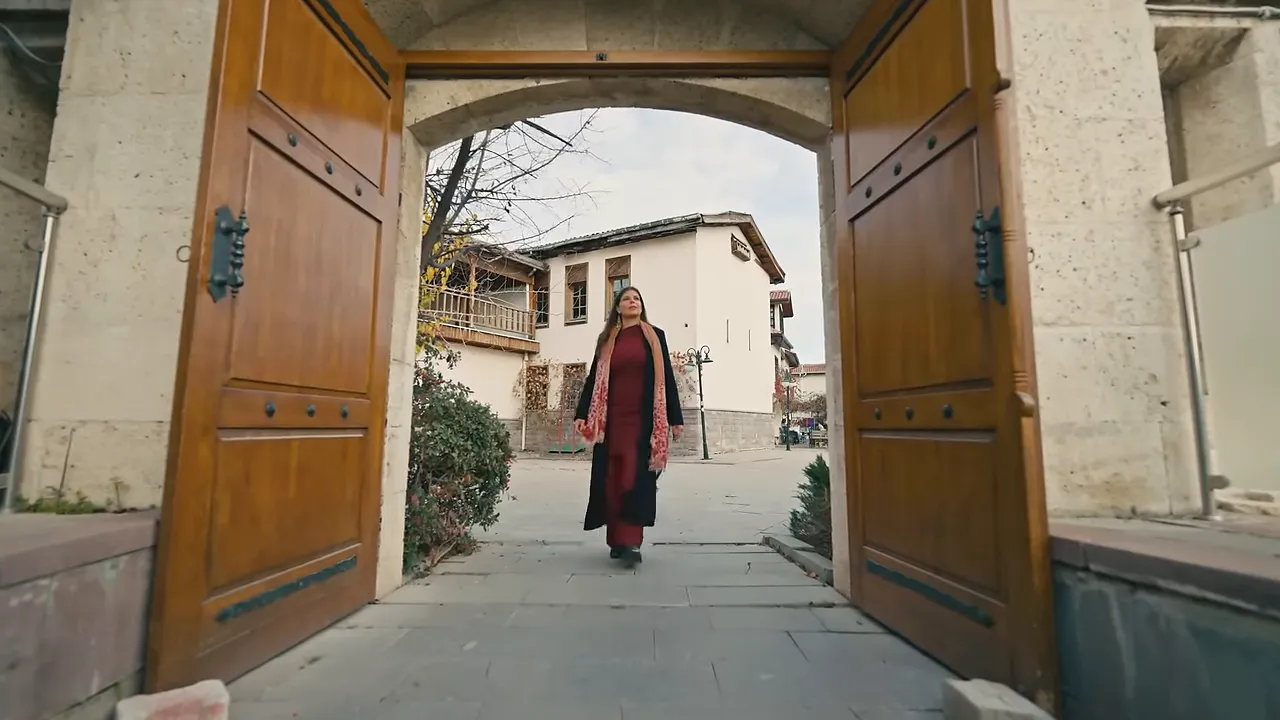
Mevlana Celaleddin Rumî was a 13th century Muslim saint and mystic whose poems and teachings still move people across cultures today. His verses pulse with themes of love, unity, and the oneness of humanity. Born in Afghanistan and later settling in Konya, Rumî’s life became the foundation for the Mevlevi Sufi order and a spiritual tradition that finds expression in the evocative ritual of the Whirling Dervishes.
Meeting Shams: the turning point
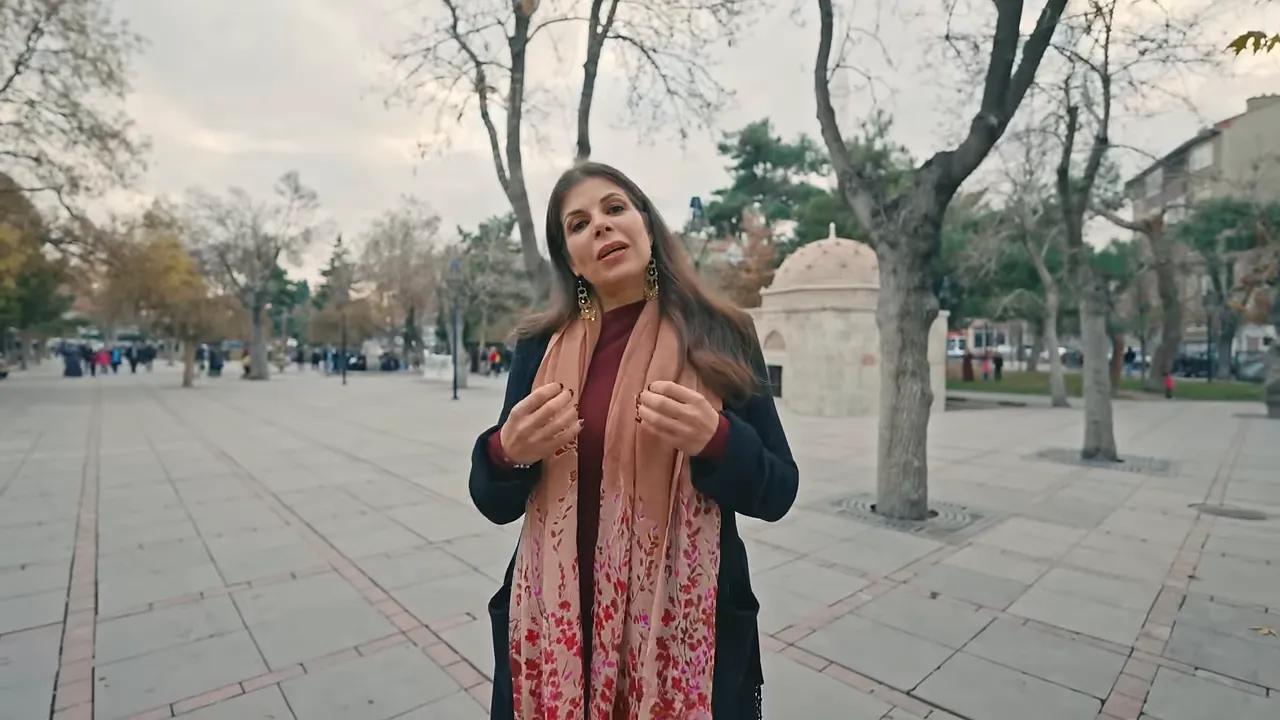
In 1244 in Konya, Rumî encountered Shams of Tabriz. That meeting was more than a friendship; it was a spiritual awakening. Through his relationship with Shams, Rumî discovered a new, purer sense of love and devotion that reshaped his poetry and practice. The intensity of that connection became the spark for much of his teaching about divine love.
Sufism, love, and the inner path
Sufism is often portrayed as mysticism or spiritual romanticism, but its core is practical and moral. It is a way of living that combines etiquette, humility, and an inward quest for truth. The Mevlevi path teaches that the outer forms of practice have inner meanings — the Masnavi, Rumî’s masterpiece, speaks to both levels.
"Love is the astrolabe to the mysteries of God."
That line from Rumî cuts to the heart of Sufi practice. Love is not merely an emotion between people. It is an instrument for navigating the deeper realities of existence. Sufi love asks for respect for everything: other people, trees, animals, and strangers. The physical, romantic love may be the easiest and most immediate entrance, but true spiritual love exceeds those bounds and ultimately points beyond this life.
What Sufism emphasizes
- Guidance: a teacher or guide to show the way.
- Morality: manners, etiquette, and right action in daily life.
- Inner work: polishing the heart, removing ego and rust.
- Universal respect: love for all creation rather than a narrow affection.
The Sema: what the whirling means
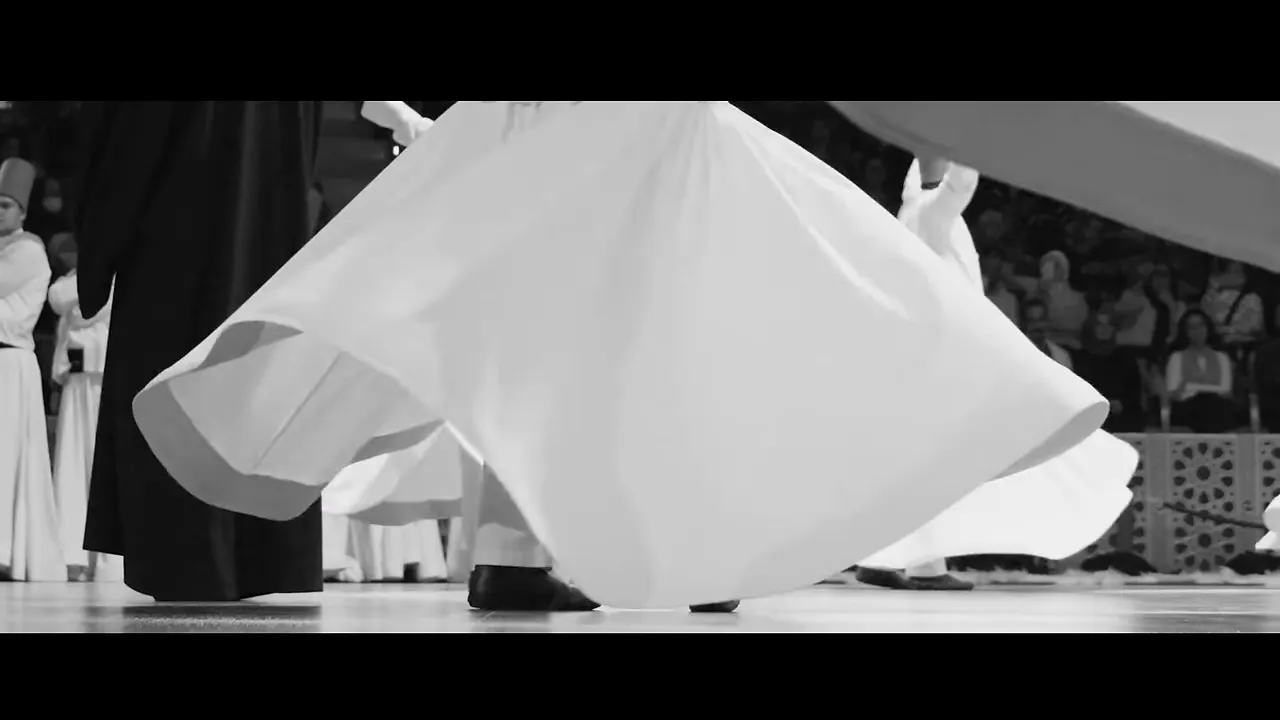
The Sema ceremony, the Whirling Dervishes’ ritual, is often misunderstood as mere dance. In the Mevlevi tradition it is a deeply symbolic practice: the body becomes a vessel through which God's love is channeled to others.
How the ceremony works
Performers create an axis from the heart down through the left foot, turning on that foot. Symbolically, the left foot stands over the ego; each rotation is an act of crushing or transcending the self while continuously remembering the divine name. The repeated utterance of "Allah" and the physical motion combine to "polish the heart" — removing spiritual rust so the inner light can shine.
Key elements of Sema
- Axis and turn: heart aligned with the left foot as a spiritual axis.
- Repetition: continual invocation of the divine name as a cleansing practice.
- Channeling: spinning as a means to receive love from God and offer it to people.
- Non-performance: it is not entertainment but a meditative, devotional act.
Konya today: Şeb-i Arus and the Mevlevi festival
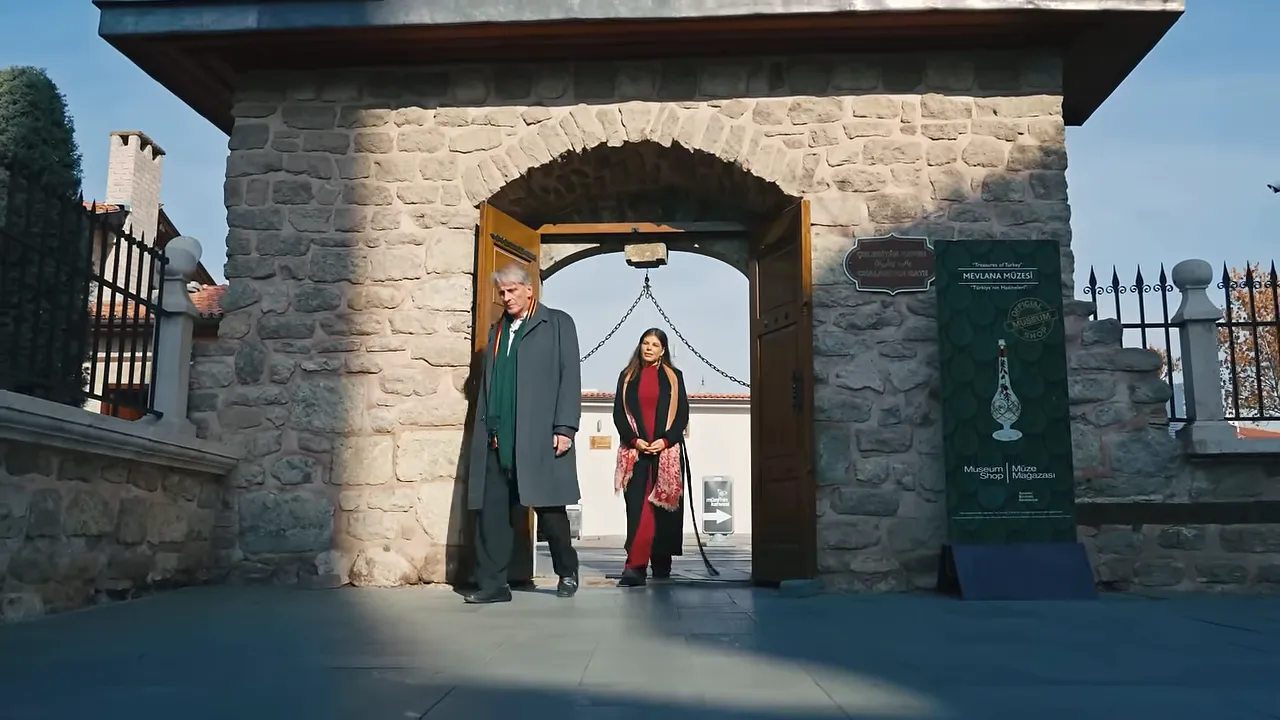
Konya remains the spiritual home of Rumî and the Mevlevi order. Each year a festival commemorates his passing, culminating on December 17th in an event known as Şeb-i Arus, the "Night of Union." That evening is understood as Rumî’s reunion with the Divine, and the whirling takes on added intensity and meaning.

In 2005, the Sema ceremony was included on UNESCO’s Representative List of the Intangible Cultural Heritage of Humanity. The recognition highlights not only the ritual’s aesthetic power but its role as a living spiritual tradition that continues to inspire people across the globe.

For those drawn to spiritual practice, the Mevlevi tradition offers both form and depth: a structured way to cultivate compassion, humility, and a sense of unity with all beings. Whether through poetry, music, or the turning of the Sema, the message is the same — love as a tool for discovering the mysteries of God and living a life of sincere devotion.
This article was created from the video The Inspiration Behind the Whirling Dervishes: Mevlana Celaleddin Rumî with the help of AI.


