

Cost to live in Turkey ? This guide breaks down realistic monthly and upfront costs for someone planning to move to or retire in Turkey, using clear examples and practical tips to help you budget and avoid common pitfalls.
Who this is for and why the numbers matter
This is for retirees, long-term travellers, digital nomads, and anyone considering relocating to Turkey. Knowing the typical living costs helps decide whether your income, pension, or savings will cover daily life, housing, healthcare, transport and leisure without surprises.
Key categories that determine the Cost to live in Turkey ?

Housing
- Resort-area one-bedroom rentals: expect roughly £500 to £1,000 per month, depending on season and location.
- Family houses or upscale villas (pool, garden): can be £1,500 to £2,000+ per month.
- Condo maintenance fees (aidat) for complexes with pools and shared services: commonly £30 to £100 monthly.
- If buying, budget for mandatory earthquake insurance plus contents/home cover.

Home insurance and compulsory covers
Earthquake insurance (DASK) is compulsory for property ownership. Combined with a modest contents policy, expect a small monthly cost (an example: around £10–£30), depending on property value and coverage.

Utilities
- Electricity (heating in winter, air conditioning in summer): variable, but a small apartment often averages about £30–£60 per month.
- Water and municipal waste collection: commonly £10–£30 per month.
- Expect spikes in extreme weather months (higher AC or heating use).

Food and groceries
- Weekly supermarket spend for two people: commonly £60–£80, so roughly £240–£320 per month. Local markets and seasonal produce lower costs.
- Meat and imported items are more expensive; base your meals on vegetables, legumes, and local staples to save.
Transport
- Public transport is inexpensive; city bus or dolmuş fares are low.
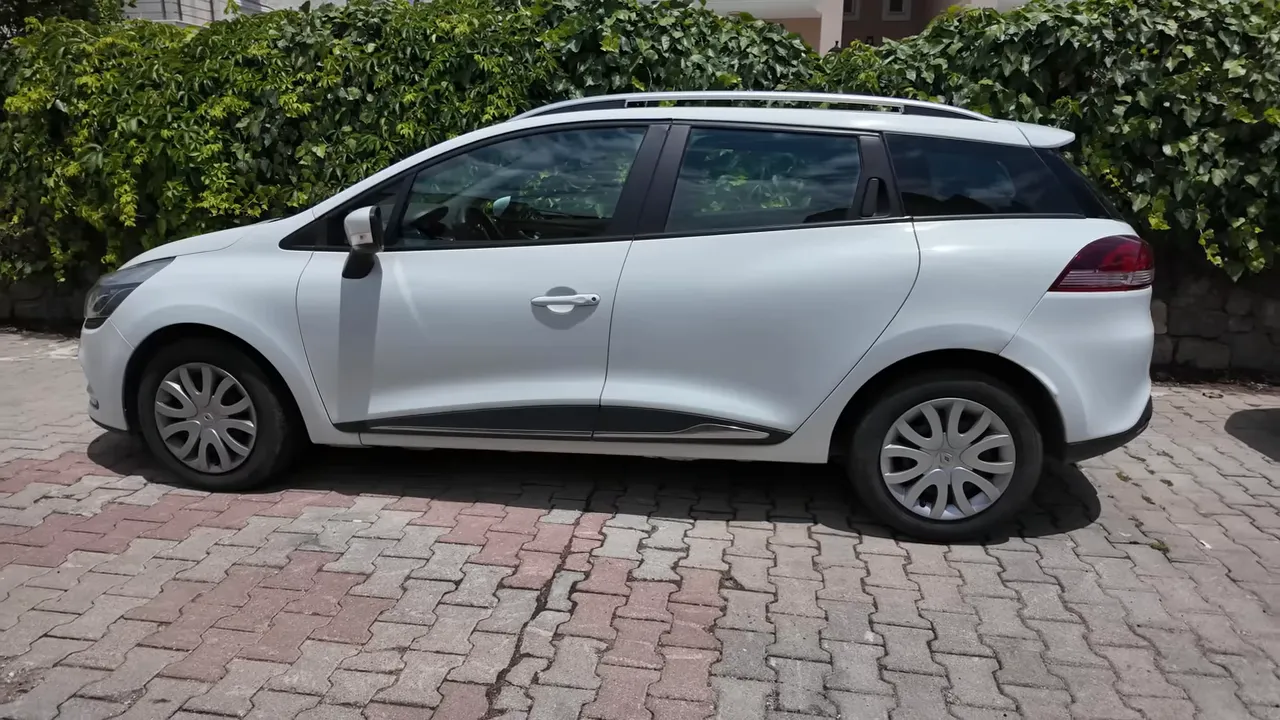
- Owning a car adds costs: annual insurance can run several hundred pounds (example: ~£600/year ≈ £50/month), petrol around £25–£40/month depending on usage, plus tax and maintenance.

Communications
- Turkish SIM and mobile data plans: low-cost options exist (SIM-only plans from a few pounds per month).
- Home internet (fiber options common): around £15–£30 per month depending on speed and provider.

Healthcare and residency-related costs
- With legal residency, access to state healthcare is available; many residents also choose private insurance depending on age and needs.
- Dental and elective procedures can be significantly cheaper than in the UK or US.
- Residency application fees, compulsory insurance, translation or legal assistance create an upfront cost. If amortised over the permit length, this can add a small monthly amount to your budget.
Sample monthly budget (realistic example)
This sample shows typical monthly spending for a couple living modestly but enjoying social activities. It uses conservative figures to allow for inflation and seasonal spikes.
- Utilities (electricity, water, waste): £60
- Groceries: £250
- Car (insurance, fuel, tax): £90
- Mobile + Home Wi-Fi: £25
- House insurance / DASK amortised: £20
- Residency amortised and admin costs: £25
Subtotal (no rent, basic living): ~£470–£500
Social life and eating out
Moderate socialising (eating out twice a week) can add ~£300–£400 per month.
Total example before rent: around £800–£1,000 per month depending on lifestyle. Add rent to reach full cost of living.
How rent changes the bottom line
Adding a rented apartment in a resort or coastal area will typically increase the monthly cost by at least £500–£700 for a small place. In popular tourist zones or larger cities, expect higher rent. Inland towns and non-touristy regions are much cheaper.
Ways to reduce the Cost to live in Turkey ?
- Choose smaller towns or inland areas rather than tourist hotspots.
- Shop at local markets and buy seasonal produce.
- Negotiate longer rental contracts for lower monthly rates.
- Consider public transport and avoid car ownership unless needed.
- Compare local insurance and mobile plans; local providers often offer the best value.
Pitfalls and things to watch
- Exchange rate volatility can change your budget quickly if income is in a foreign currency.
- Residency rules and fees can change; always confirm current requirements with official sources or a legal advisor.
- Seasonal price spikes in tourist areas: summer rents and services may be higher.
- Mandatory earthquake insurance and correct property documentation are essential when buying property.
- Registration for government services often requires a Turkish phone number and local ID documents.
Common questions
Can I use the public health system?
Yes, legal residents can access the state healthcare system. Many residents choose supplemental private insurance for faster access to private hospitals or specialists.
How much do I need to retire comfortably?
Comfortable living depends on lifestyle and housing choices. A modest couple living outside major tourist centres might manage on £1,000–£1,400 per month including rent. In resort towns or with higher social spending, plan for £1,500–£2,500 or more.
Do I need a Turkish SIM?
Yes. A local SIM is often needed for official registrations and to receive government notifications.
Conclusion
Cost to live in Turkey ? It varies widely by location and lifestyle. Basic living without rent can be quite affordable for many, but once you add rent, social life and car ownership, monthly costs rise substantially. Create a personalised budget, confirm residency costs up front, and factor in exchange rate risk before making a move.
Final takeaway: plan for both ongoing monthly costs and upfront residency or property expenses. Adjust expectations based on region and season, and use local services to lower everyday spending.


