

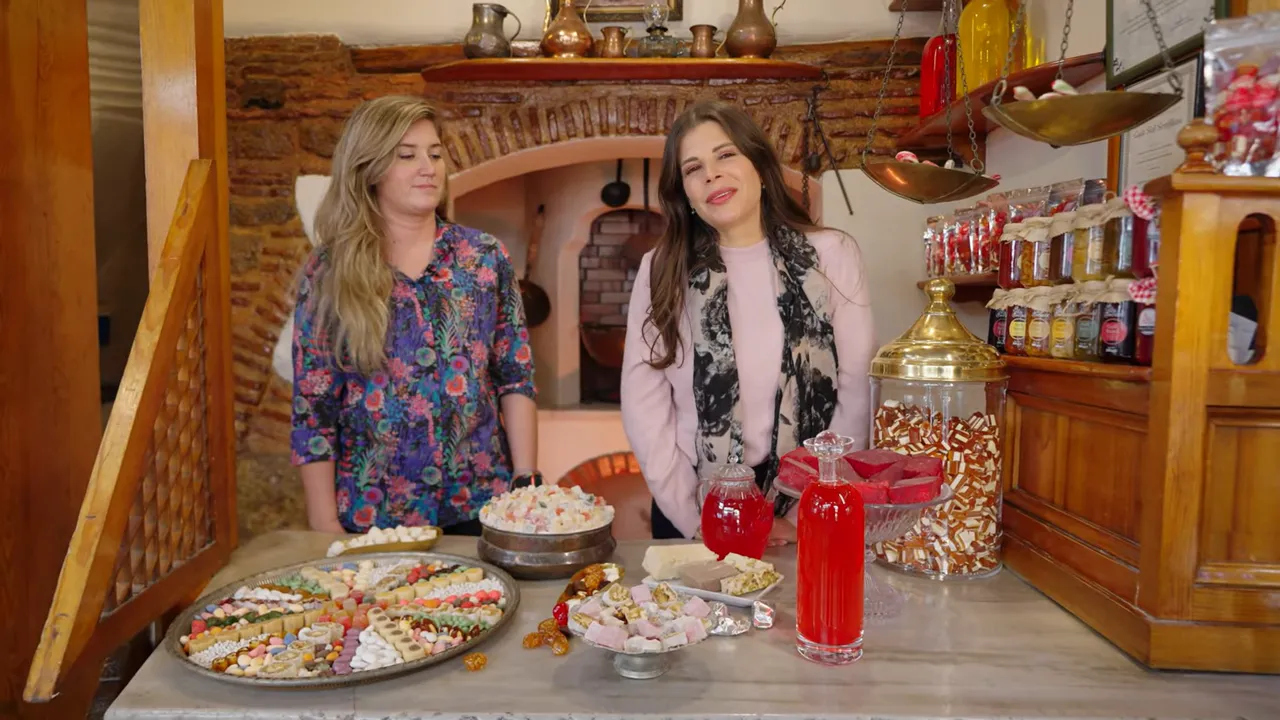
There is a shop in Istanbul where the air still smells like sugar, rose water, and history. This is the birthplace of lokum — the chewy, fragrant confection the world knows as Turkish delight. Walking into that century-old store feels like stepping into a family recipe book: jars and trays lined with glittering sweets, a sixth generation confectioner tending to traditions passed down through five centuries.
The origin story: simple ingredients, lasting taste
The classic lokum we recognize today is the result of small but decisive changes to older recipes. Historically, candies like this were made with carob molasses, honey, and flour. A few generations ago, the family that ran this shop introduced more modern ingredients — refined sugar and a different starch — and the texture and color shifted into the softer, paler lokum that became famous.
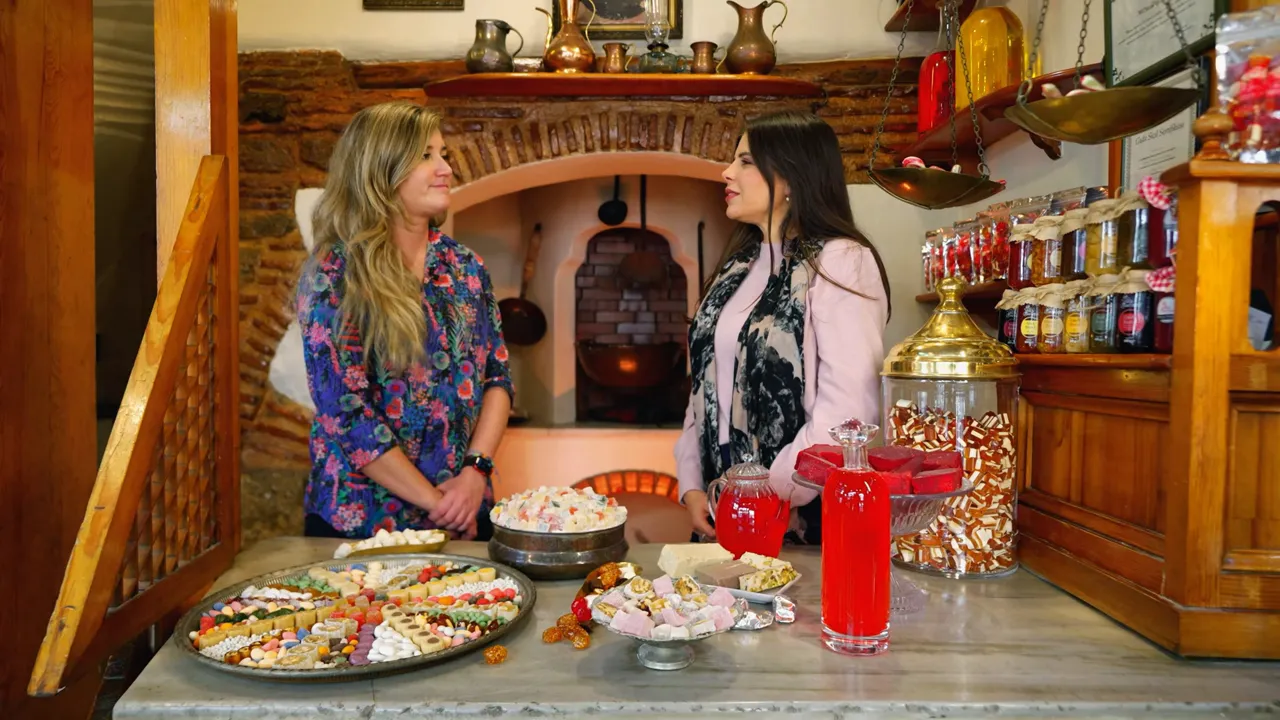
That transformation did more than alter a dessert. It helped move Turkish candy into international kitchens and palace courts. One ancestor of the family served as the chief confectioner for the sultan, and over time lokum became associated with hospitality, celebration, and even courtly romance.
Lokum and the rituals of celebration
In Türkiye, sweets are never merely dessert. They are cultural punctuation marks — handed out at engagements, births, weddings, and holidays. Lokum in particular functions as a small, sweet symbol: a token of love, a welcome to new life, or a gracious gesture to guests.
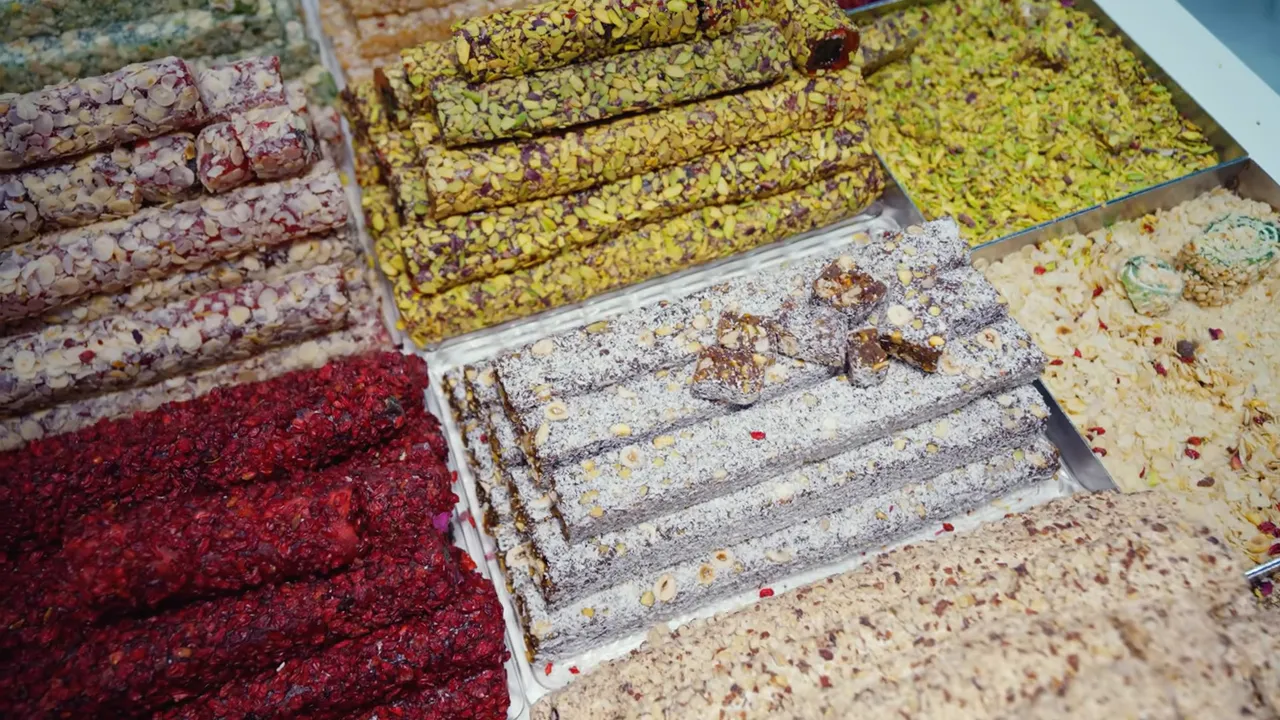
Variety is part of the charm. The shop produces more than 30 lokum varieties, including seasonal specialties. Among them:
- Pistachio lokum — the most popular choice among locals, crunchy and nutty at the center of the soft cube.
- Rose lokum — a floral favorite with strong appeal to visitors from Europe.
- Rose-petal and petal-covered lokum — a modern, romantic take that literally wears the flower on the outside.
Ask a Turkish person what lokum usually is and they will often picture pistachio. Ask a European and many will think of the rose variety. Both answers are right — lokum’s appeal is its adaptability.
Beyond lokum: other timeless Turkish confections
Turkish sweets include many specialized candies, each with its own story and social use. Here are several that stand out in the shop and across Türkiye:
Akide şekeri — the coin candy of loyalty
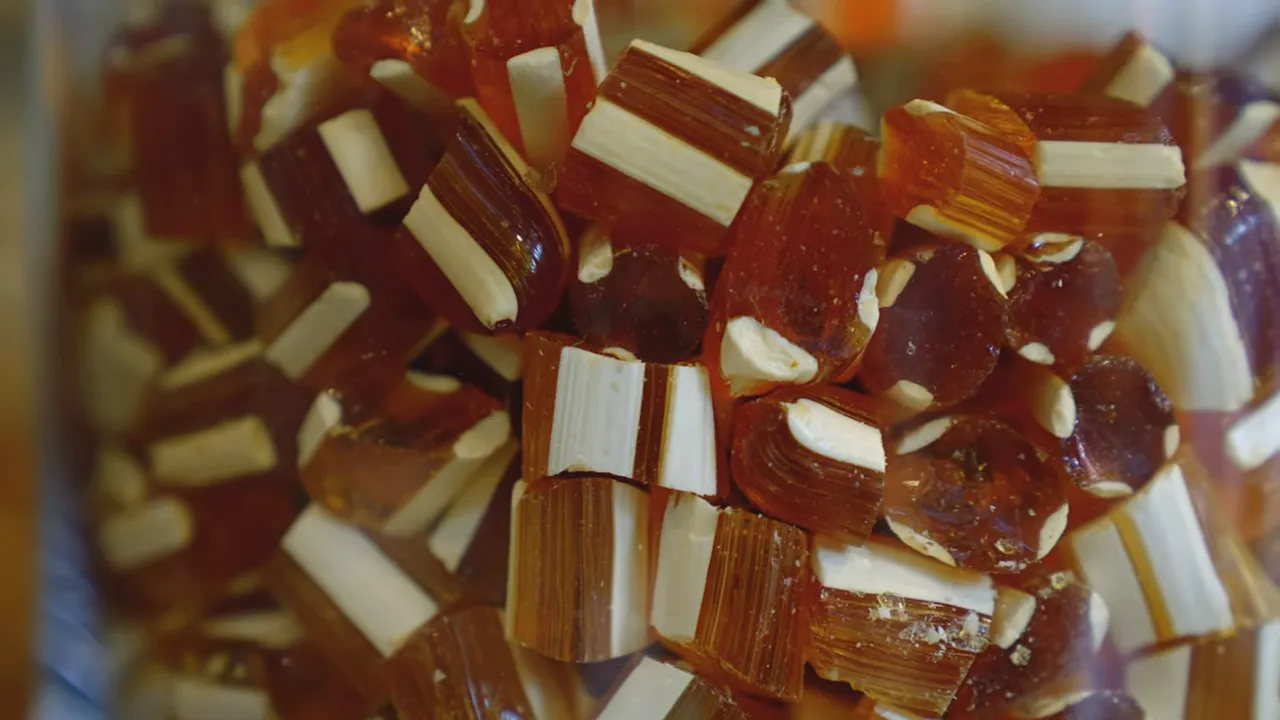
Akide (pronounced ah-kee-deh) traces its name to the word akit, meaning “deal” or “agreement.” These hard candies were historically cast in coin shapes and presented to signify loyalty or an oath. Today they come in bright colors and flavors and still carry that sense of ceremonial charm.
Chestnut helva — syrup-soaked comfort
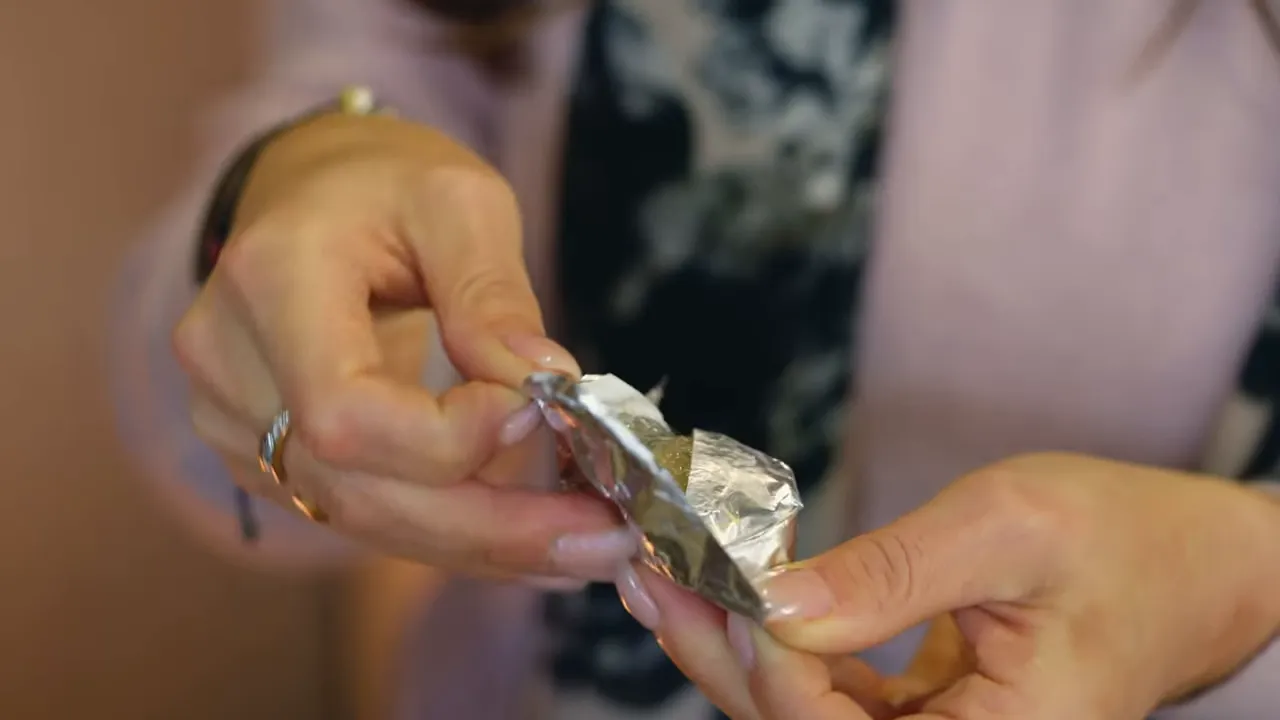
Chestnut helva, often described as “heaven in a small package,” is boiled and soaked in syrup. Its simple ingredients and deep, nutty flavor have given it a new spotlight in dessert menus worldwide. Locally, helva is sometimes eaten after fish dishes: tahini-rich helva is believed to aid digestion, a neat example of culinary folklore that turns out to have practical roots.
Sugarcoated almonds — small packages of meaning
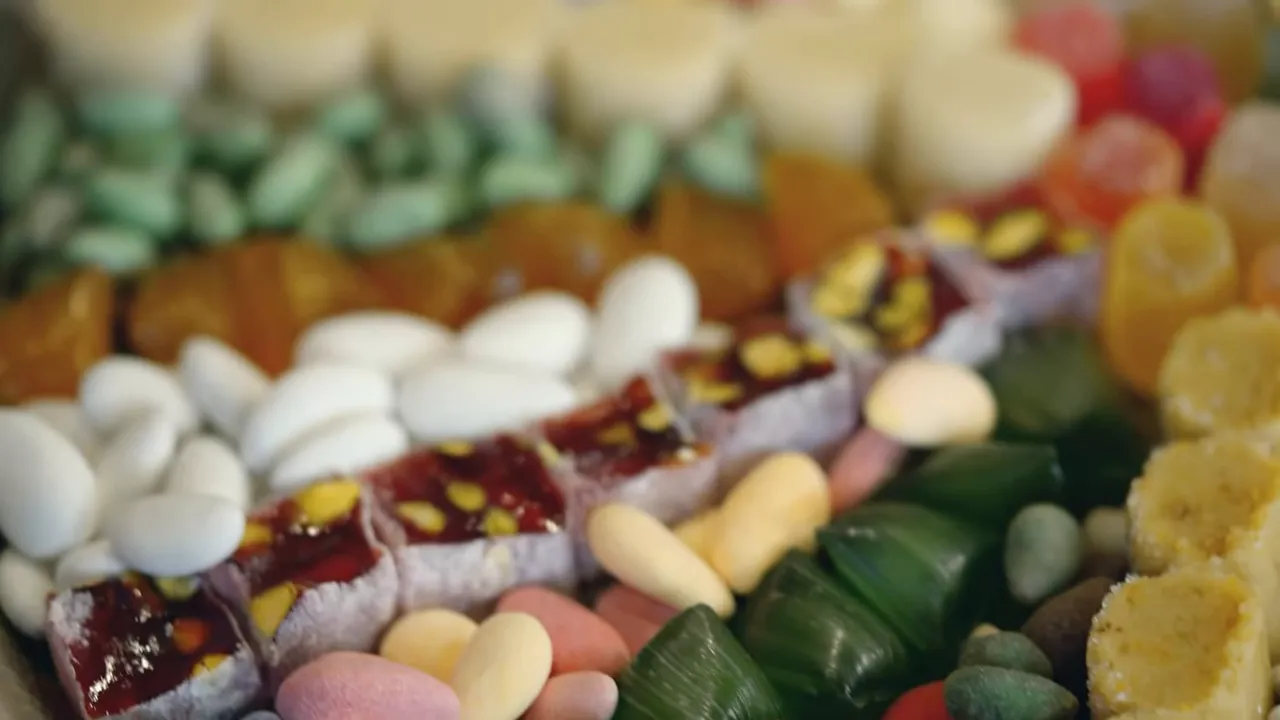
Sugarcoated almonds are commonly given at weddings and to celebrate newborns. Their white coating symbolizes purity and new beginnings — a subtle but powerful cultural message about life’s milestones.
Loşşar / candy blocks — spices and tradition

Another traditional treat looks like a block of soap but tastes like spiced candy. These blocks are flavoured with cinnamon, cloves, and other warm spices. The red hues you see in some varieties come from beet, and the blocks themselves are often served when guests visit to see a newborn, doubling as sweet hospitality and a celebratory token.
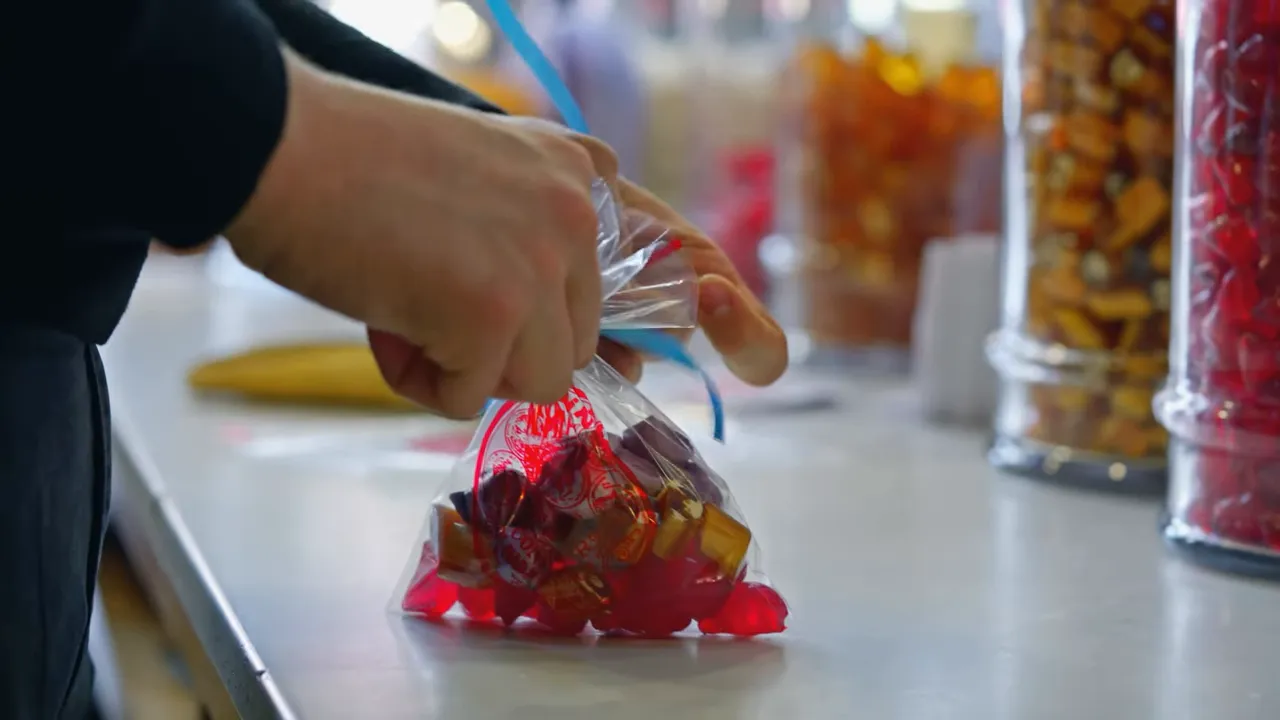
“We are selling happiness here. People come to be happier, and to make their loved ones happy.”
Why these sweets matter
Turkish confections are about more than flavor. They are compact expressions of identity, hospitality, and memory. Each candy carries a story — from palace kitchens and sultans to modern-day celebrations — and a simple function: to bring joy. Whether offered at a door, laid out at a holiday table, or wrapped as a gift, these sweets make social moments sweeter.
Where to try them today
Local shops across Türkiye now offer both classic and wildly creative flavors. You can find lokum covered in rose petals, stuffed with pistachios, or reinvented with new fillings and coatings. Visit a traditional confectioner and you will find skill, history, and innovation all on display.
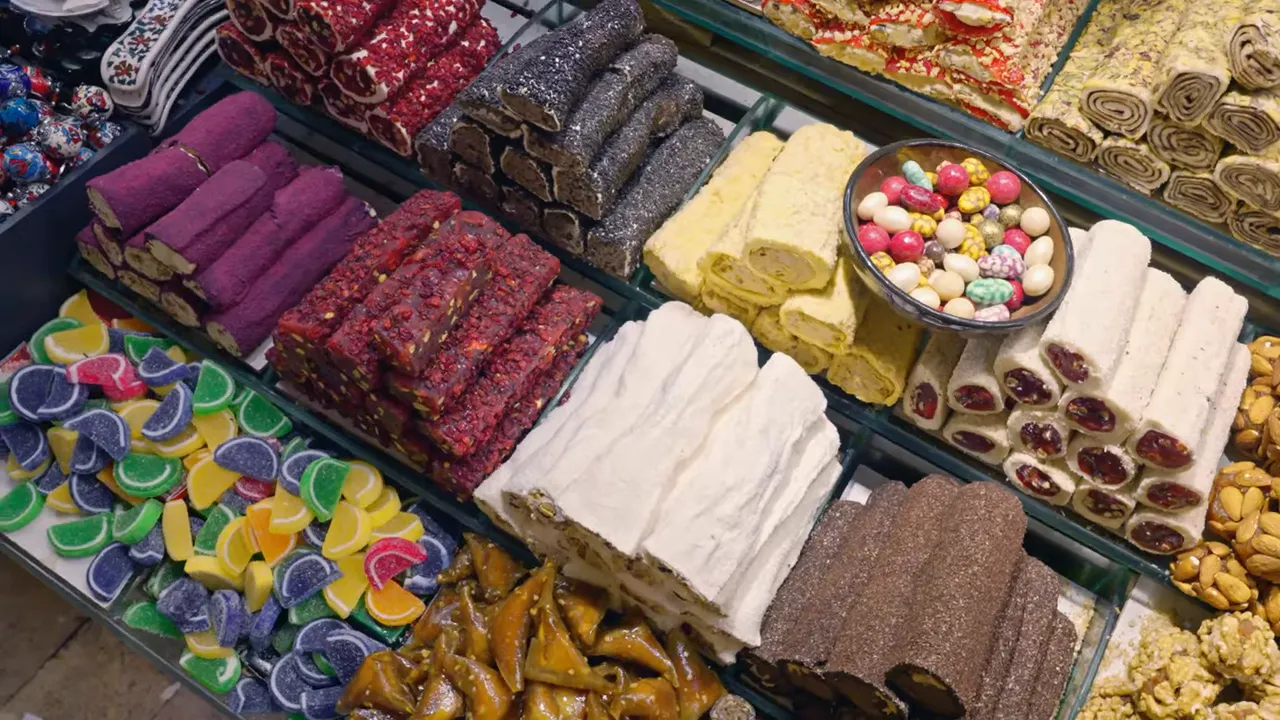
Final thought: Trying lokum and its sweet cousins is a delicious way to taste a culture that celebrates food as ritual, memory, and joy. Whether you prefer pistachio crunch or delicate rose scent, these candies are small, luminous pieces of Turkish culinary heritage.
This article was created from the video Turkish Delights: Where 250 Years of Sweet Tradition Live On with the help of AI.


