

Patara sits on Türkiye’s Turquoise Coast between Fethiye and Kaş, a place where layers of history meet impossibly wide beaches and shifting sand dunes. For more than five millennia this Lycian city has carried myth, religion, commerce, and early democracy in its stones. Walking its ruins is like reading a long, slow story in which every chapter — heroes, emperors, saints, and sea — has left a clear mark.

Where myth and history meet
Patara claims a remarkable roll call: Alexander the Great passed through, St. Paul traveled onward to Ephesus from here, and tradition names the city as the childhood home of Saint Nicholas. Myth adds even more: the twins Apollo and Artemis are said to have been born in this region. That combination of legendary origin and real historic weight gives Patara a special atmosphere — part shrine, part seaside metropolis.
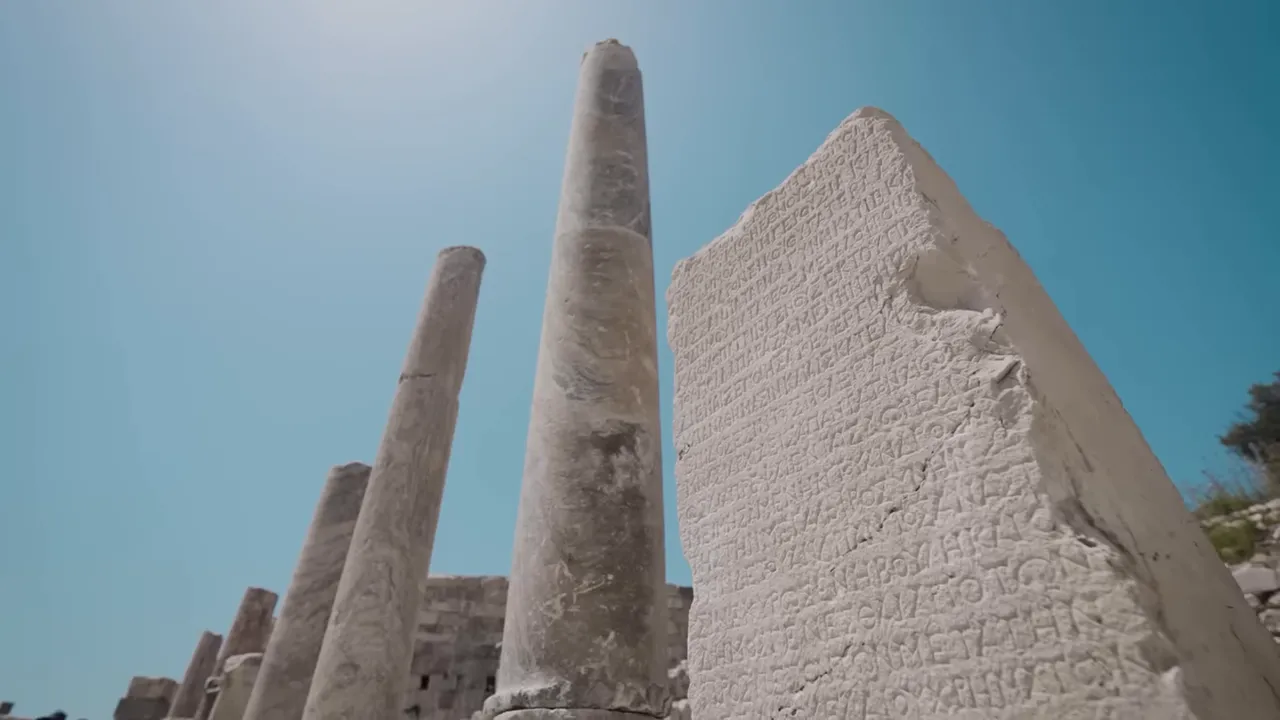
"This city has always had a special place in the legends of mythology, the history of religions, and the birth of democracy."
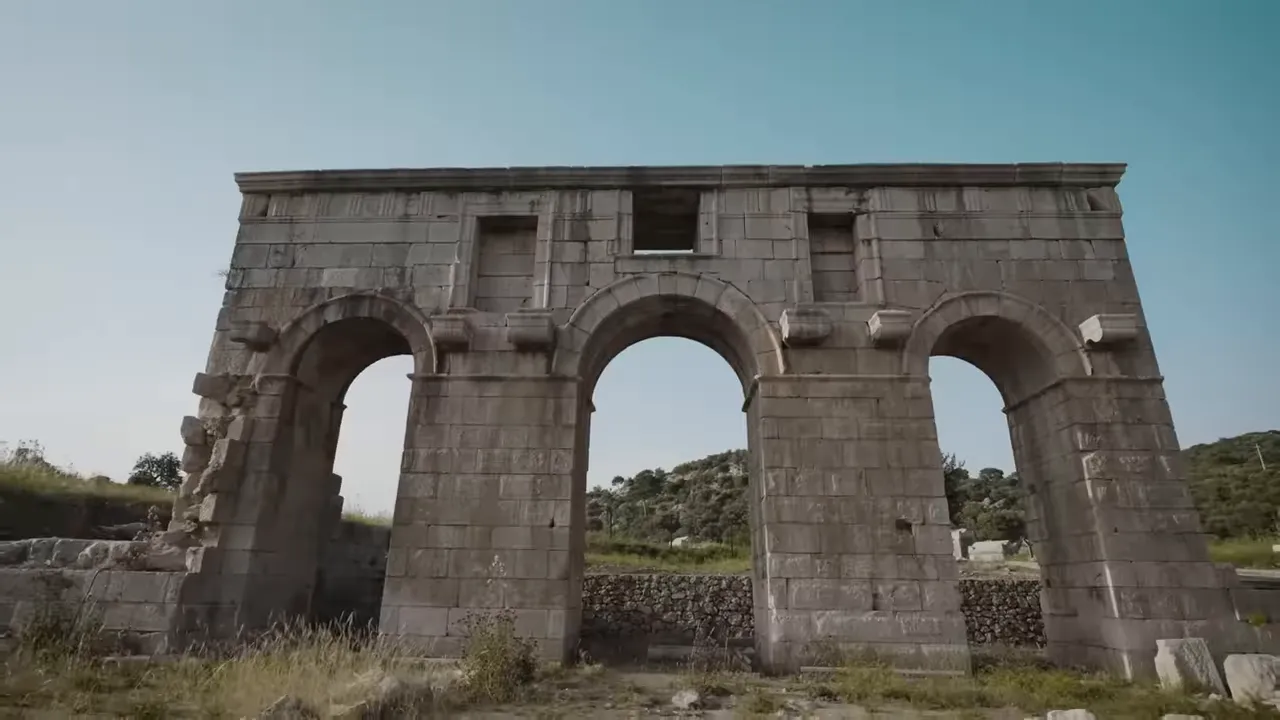
Early democracy: the Lycian Parliament
Among Patara’s most interesting claims is its parliamentary heritage. The Lycians organized regional governance in ways that anticipated later systems of representative decision making. The ruined assembly building commonly called the “Parliament” is a tangible reminder that ideas about collective rule existed in Anatolia long before modern nations borrowed or reinvented them. The Lycians’ federated institutions influenced Mediterranean practices and are often pointed to in studies of ancient governance.
How the sea saved the city from destruction
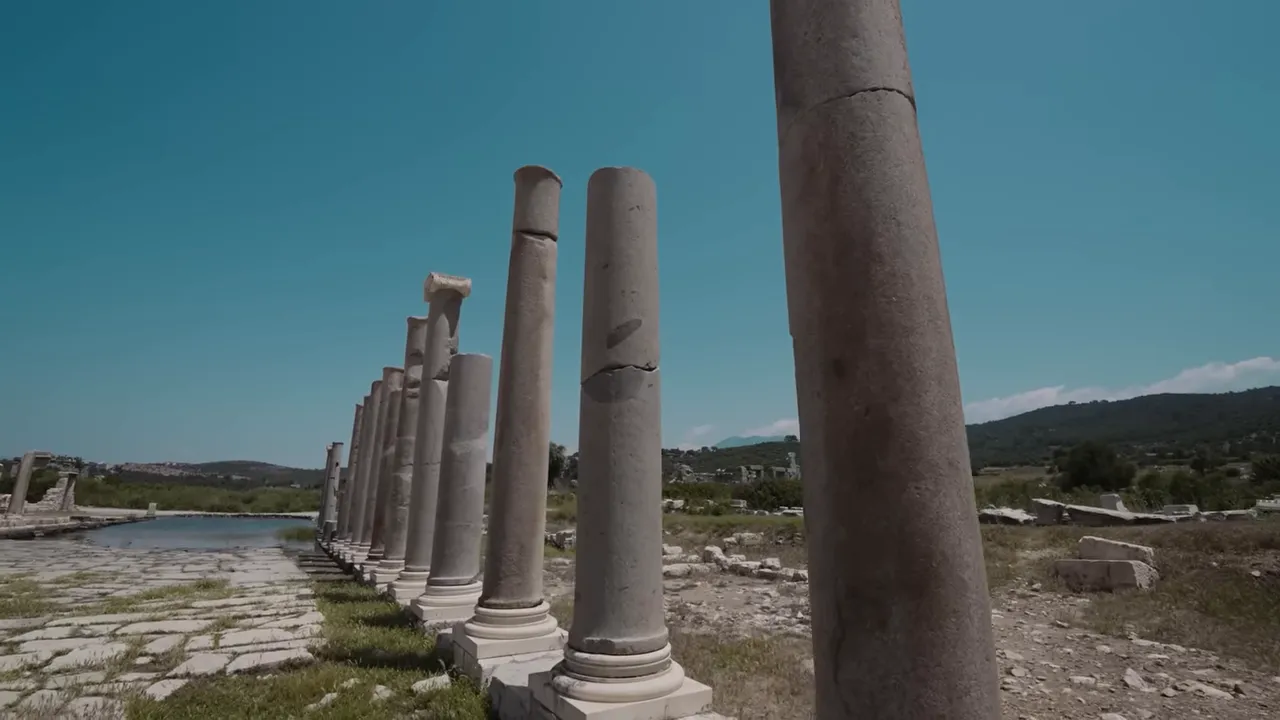
Patara was once a thriving port and a wealthy trade center. Over centuries the harbor slowly filled with sand and silt carried by currents and rivers from the surrounding coastline. That same sand buried large parts of the city, which paradoxically helped preserve walls, columns, and mosaics beneath the dunes.
Today the darkened, exposed stones reveal which sections were uncovered earlier by weather; the rest lie protected under pale desert-like sand. This natural burial created an archaeological time capsule, allowing modern excavations to reconstruct ancient life layer by layer.

Ruins to explore
Patara’s archaeological footprint is generous and easy to imagine brought back to life.
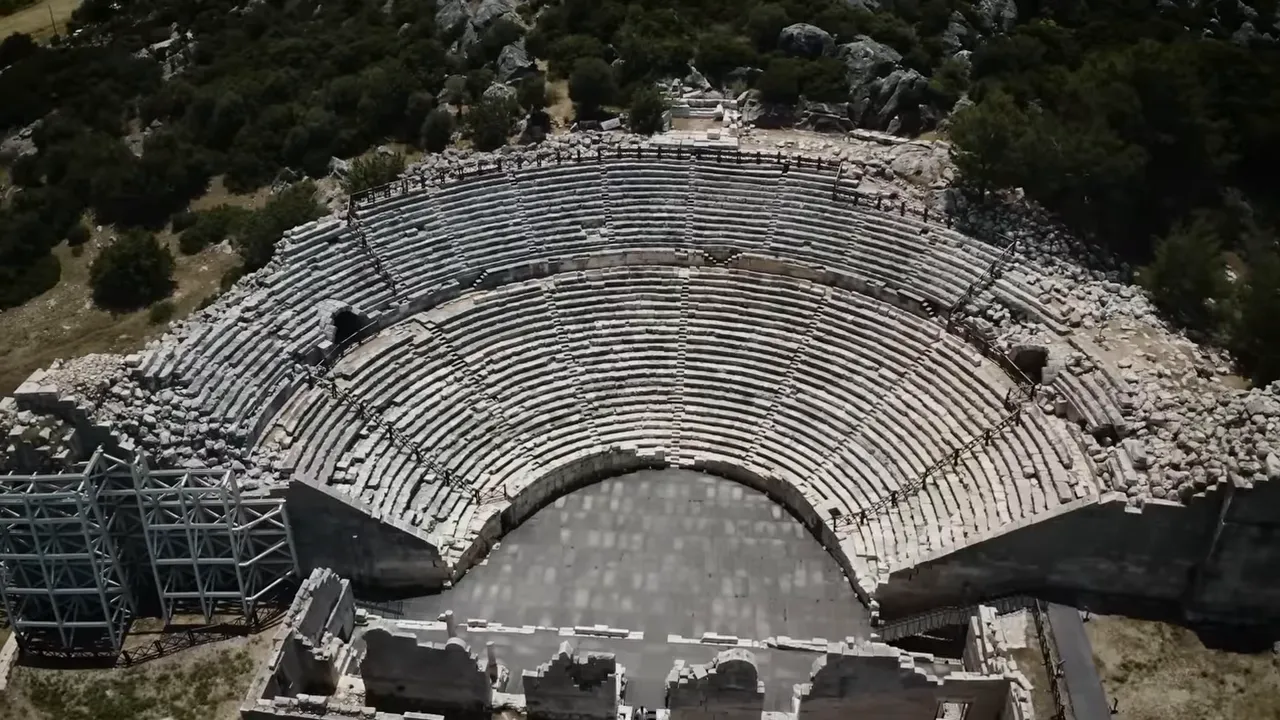
- Theatre — Perched on the northern slope of Kushunla Hill, the theatre has 34 rows and could seat roughly 5,000 people. Its form dates back to Hellenistic times and shows how public spectacle and civic identity were central to Lycian life.
- Parliament building — Stone remains mark one of the earliest practices of parliamentary assembly in the region.
- Lighthouse — Excavations revealed fragments of a near 2,000-year-old beacon from the Roman period. Archaeologists have been painstakingly reassembling more than 2,500 original pieces, much like a giant jigsaw puzzle, to restore this maritime landmark.
Nature, conservation, and one of the Mediterranean’s best beaches
Beyond antiquity, Patara is famous for its coastline. An 18-kilometer sweep of golden sand backed by rolling dunes creates one of the Mediterranean’s most unspoiled beaches. Those same dunes contributed to the city’s burial and today form a fragile habitat.
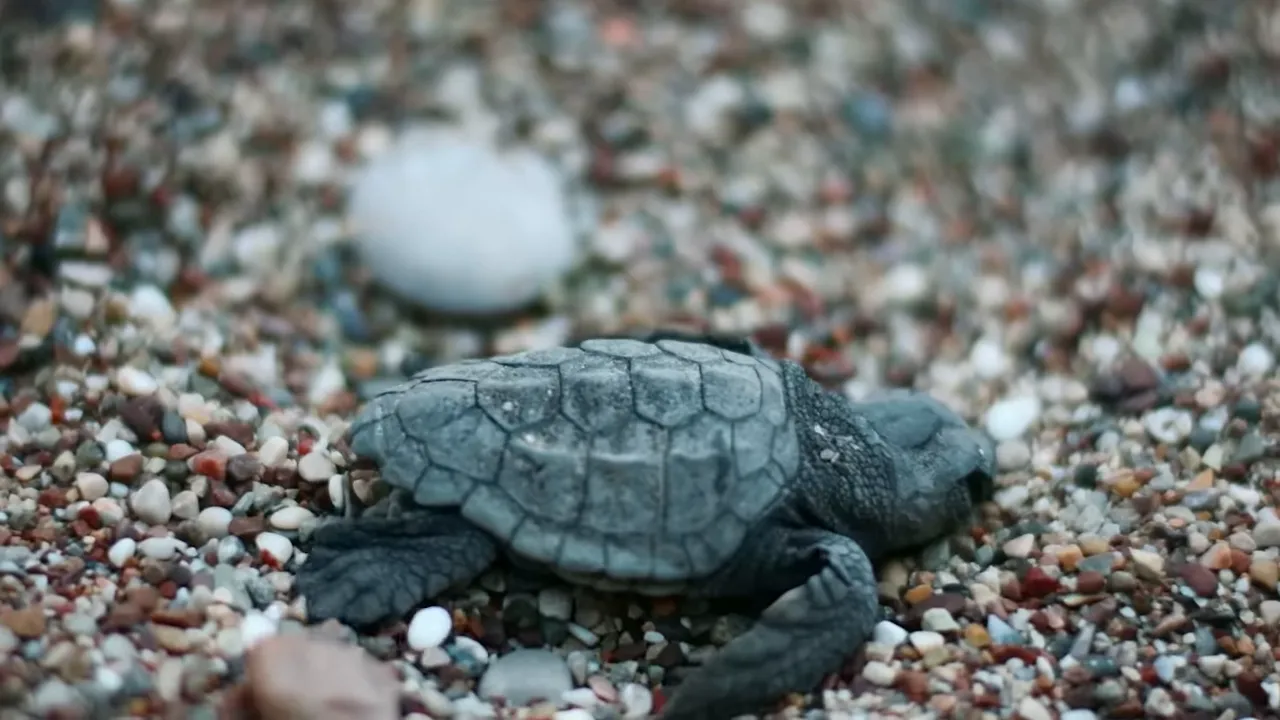
Patara is one of the rare nesting sites for endangered loggerhead sea turtles (caretta caretta). Strict conservation laws protect nesting areas, nocturnal beach restrictions, and the delicate dune ecosystems. Behind the shore, salt lakes and scrub host rare birds and mammals, making the area a dual treasure chest of cultural and natural heritage.
Practical highlights and visiting tips
- Archaeological work continues — Systematic excavations have been underway since the late 1980s, meaning new discoveries and restored monuments appear from season to season.
- Expect sand — Fine, desert-like sand covers the dunes and contributes to the dramatic vistas. It also explains how so much of the ancient city lay protected for centuries.
- Wildlife rules — Respect conservation measures for turtle nesting season. Nighttime lights, loud noise, and leaving trash on the beach are strictly controlled.
- Combine beach and ruins — Patara is rare: you can spend a morning among Greco-Roman stones and an afternoon on one of the Mediterranean’s most serene beaches.
Why Patara matters
Patara is more than a collection of ruins; it is a place where human stories — from mythic births to civic invention — meet the rhythms of sea and sand. The preservation born of natural processes, ongoing archaeological work, and careful conservation make it a model of how cultural heritage and natural habitats can be celebrated together. For anyone interested in history, democracy’s deep roots, or coastal biodiversity, Patara offers a compelling, layered experience.
This article was created from the video 5000 Years of History Waiting in Patara with the help of AI.


