

Istanbul — where tradition meets relentless creativity
Istanbul is one of those cities that never stops revealing new layers. Straddling Europe and Asia, it has always been a crossroads of ideas. Lately that crossroads has become a launchpad for contemporary art — a place where history, craft, and bold experimentation collide.
Walking through the city, it is hard not to notice how tradition and innovation sit side by side. Ottoman tiles and centuries-old mosques share the skyline with contemporary galleries and experimental installations. That mix is what makes Istanbul a global hub for modern artistic practice.
Istanbul Modern: a museum shaped by the Bosphorus
On the waterfront, Istanbul Modern greets visitors with a striking profile designed by architect Renzo Piano. The museum stretches across roughly 15,000 square meters of gallery space, inviting audiences into a wide-ranging program of paintings, sculpture, digital works, and large-scale installations.
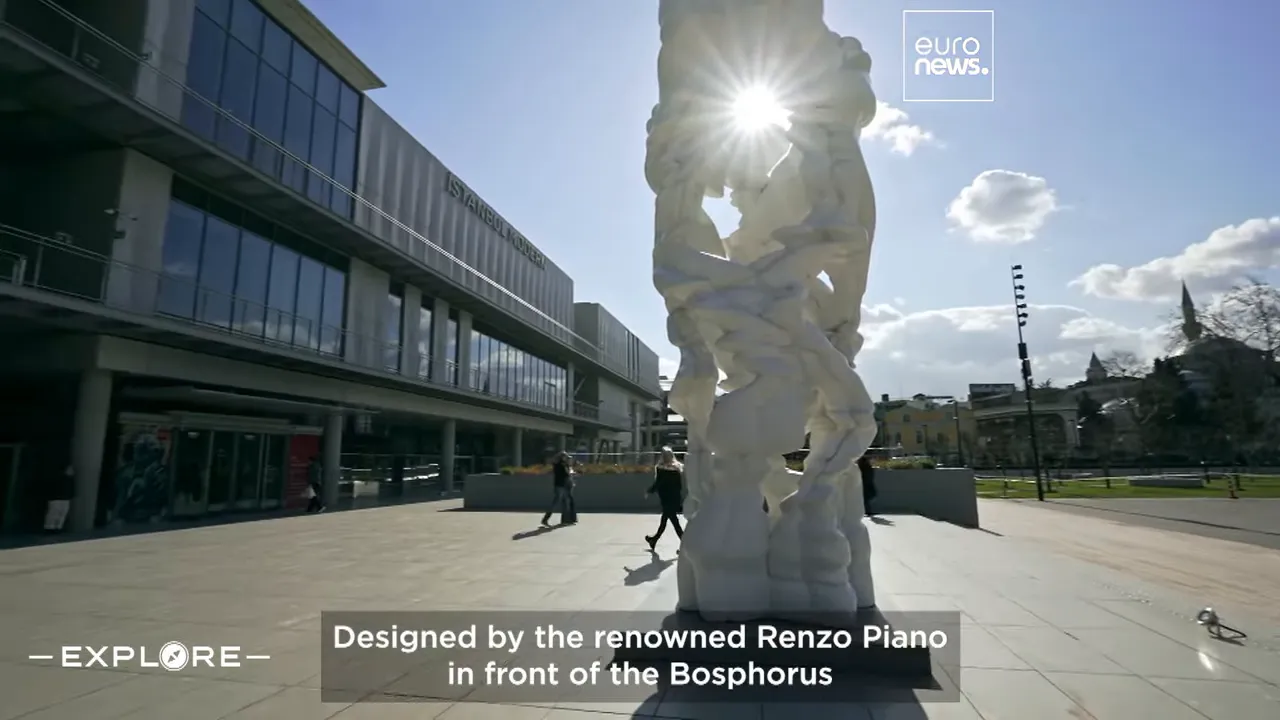
Istanbul Modern focuses on documenting, collecting, and preserving the creative output of Turkey and its surrounding region. Its work goes beyond display: the museum organizes permanent and temporary exhibitions, publishes research, and runs public programs aimed at multiple generations. The result is a multifaceted cultural engine rather than a simple showcase.
Temporary exhibitions push the boundaries of what modern art can explore. One recent program, titled Beyond the Horizon, traced an artist’s creative journey and asked big questions about humanity’s relationship to the universe. Each gallery feels like a new conversation between past and present.
Art as activism: Deniz Sağdıç and sustainable practice
Art is not just about aesthetics. It can also be a powerful tool for change.
Art is not just about aesthetics. It can also be a powerful tool for change.
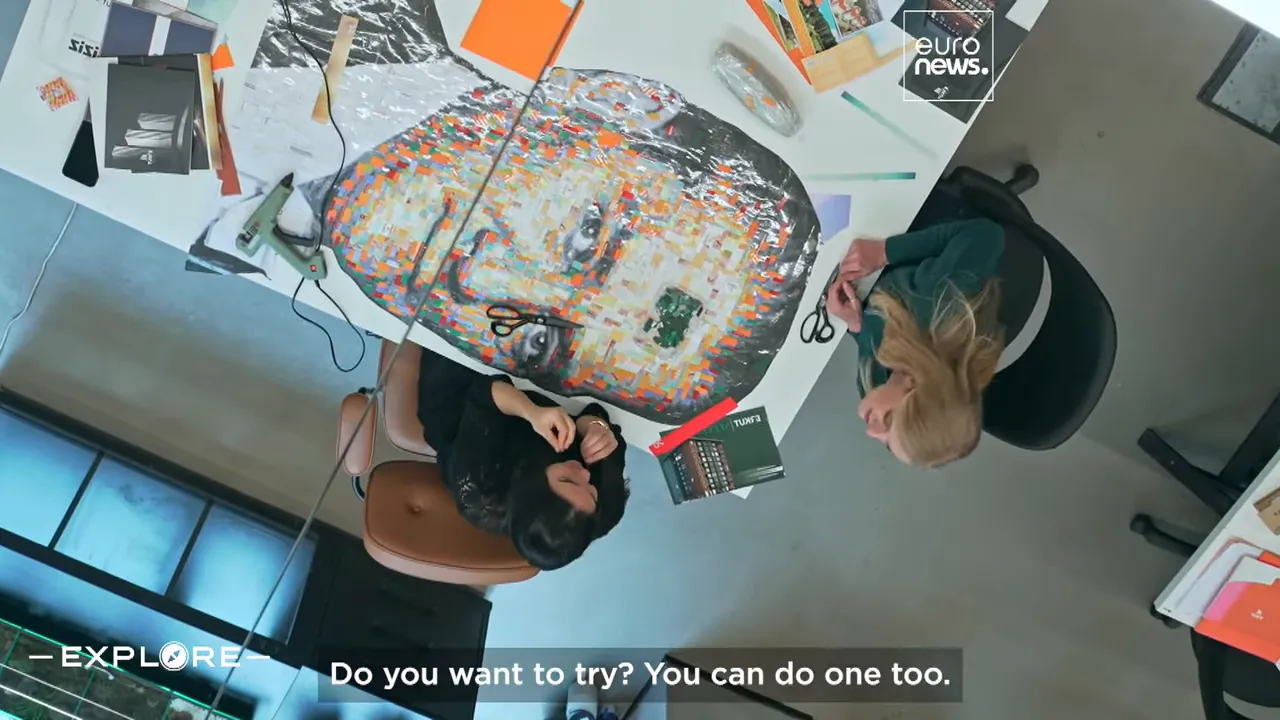
One artist who embodies that belief is Deniz Sağdıç. She champions what she calls sustainable art, creating portraits and evocative pieces from more than 40 types of upcycled materials — everything from denim and plastic to everyday waste. The technique blurs the line between craft and commentary: discarded objects are reimagined as works that demand attention.
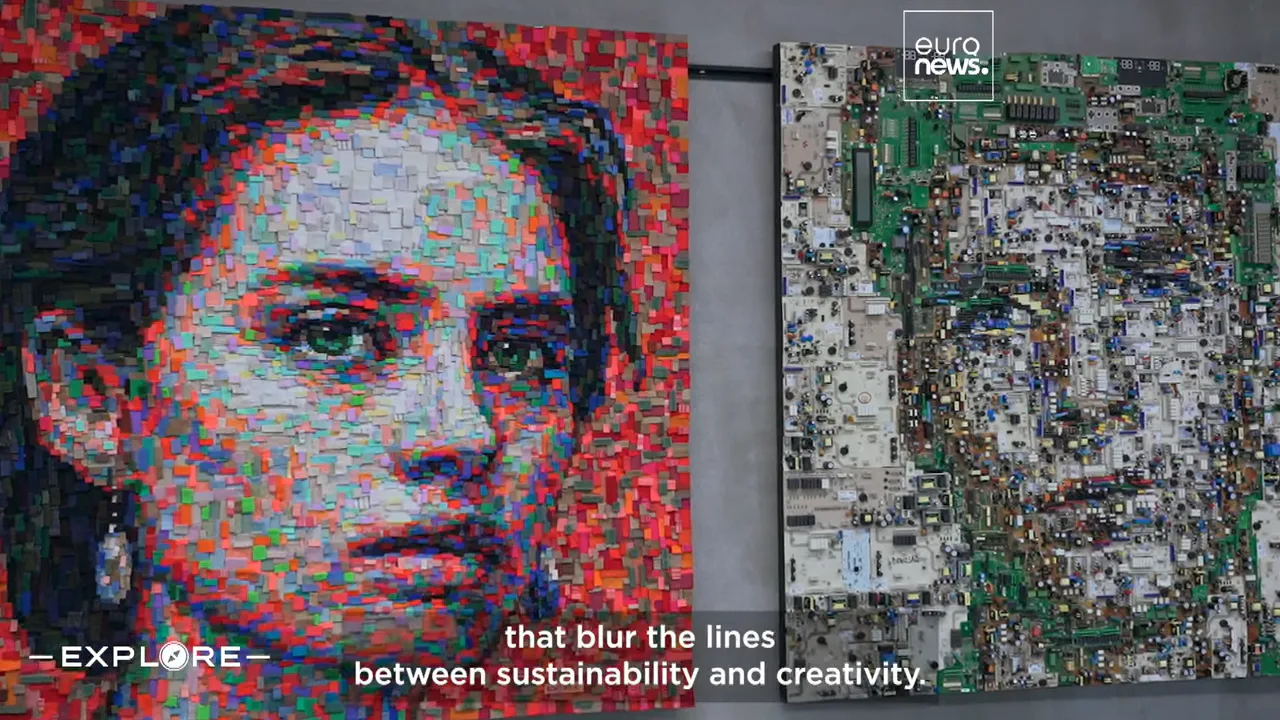
Deniz’s work speaks directly to urgent global issues such as waste and consumption. By elevating discarded materials into visually arresting portraits, she invites a shift in perspective: objects we deem worthless become carriers of memory, identity, and responsibility. It is a reminder that environmental change often begins with how we see the things we already own.
Arter: shaping the city’s contemporary narrative
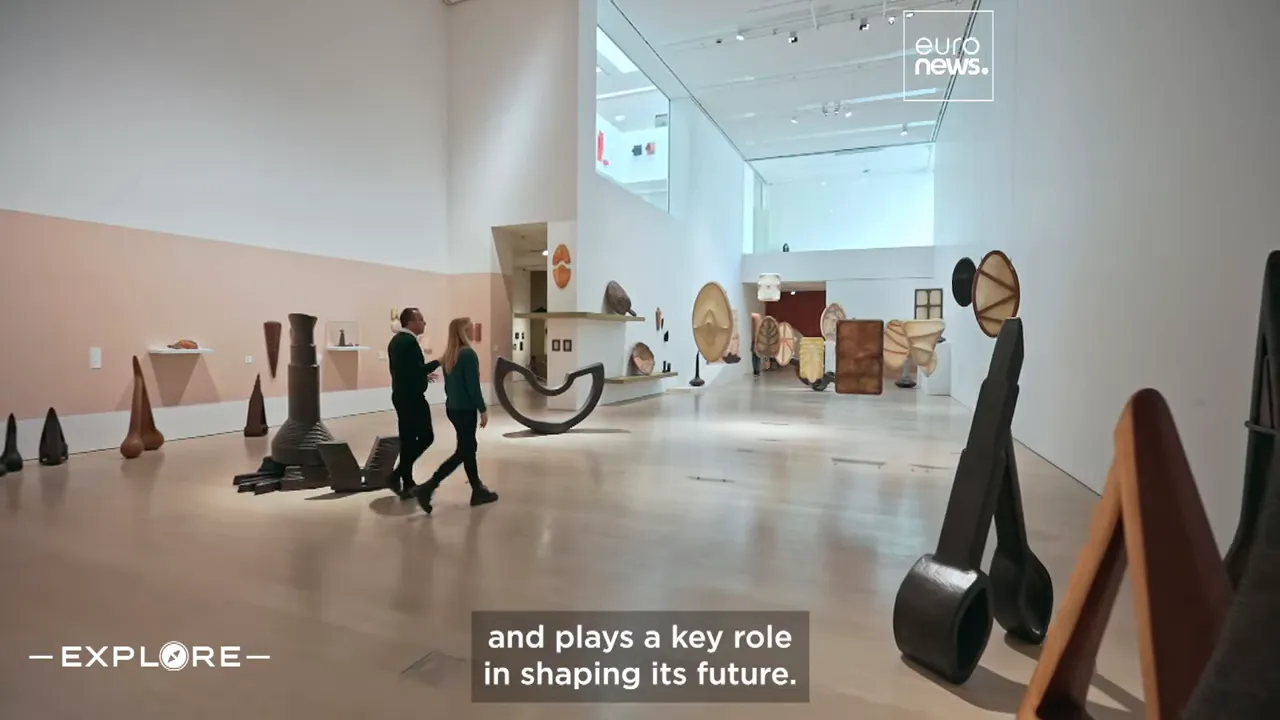
Further into Istanbul’s cultural map sits Arter, an institution with multiple galleries and a collection numbering in the thousands. With around six galleries and 1,500 works, Arter plays a central role in curating and shaping how contemporary art is experienced in Turkey.
Longtime cultural workers point to an observable shift: public perception and appreciation of contemporary art has grown substantially since the early 1990s. Institutions like Arter are catalysts for that growth, offering ambitious exhibitions and programming that help audiences connect with new artistic ideas.
How institutions and artists work together
The dynamic between museums, galleries, and individual creators is crucial. Institutions provide the infrastructure — space, curation, preservation — while artists supply the creative spark that challenges assumptions. Together they create a living ecosystem where contemporary practice can thrive.
What this cultural renaissance means
- Bold experimentation: Contemporary practitioners in Istanbul are blending media, tradition, and new technologies to produce distinctive work.
- Social engagement: Art increasingly addresses public concerns — from environmental crises to identity and migration.
- Institutional support: Museums and galleries are scaling up programming, making contemporary art more accessible and influential.
That combination — daring artists, visionary institutions, and a culturally rich backdrop — positions Istanbul as a city where contemporary art is both reflective and forward-looking.
Takeaways
İstanbul’s creative scene demonstrates that cultural heritage and modern innovation are not opposed; they amplify each other. Whether through a monumental museum by the Bosphorus, the reclaimed portraits of a sustainable artist, or the ambitious exhibitions of cutting-edge institutions, the city offers creative work that matters.
Engaging with this scene means paying attention to how art can shift perception — about materials, histories, and the future. In Istanbul, the gallery walls open onto broader conversations about responsibility, identity, and imagination.
You can also check Istanbul Property


