

A country between continents
Türkiye is a land of contrasts: a bridge between Europe and Asia where minarets meet modern skylines, where ancient ruins emerge from dust and volcanic rock, and where turquoise seas kiss limestone cliffs. Stretching across roughly 783,000 square kilometers, mountains cover three quarters of the country while coastlines on the Aegean, Mediterranean, and Black Sea exceed 7,000 kilometers in length.
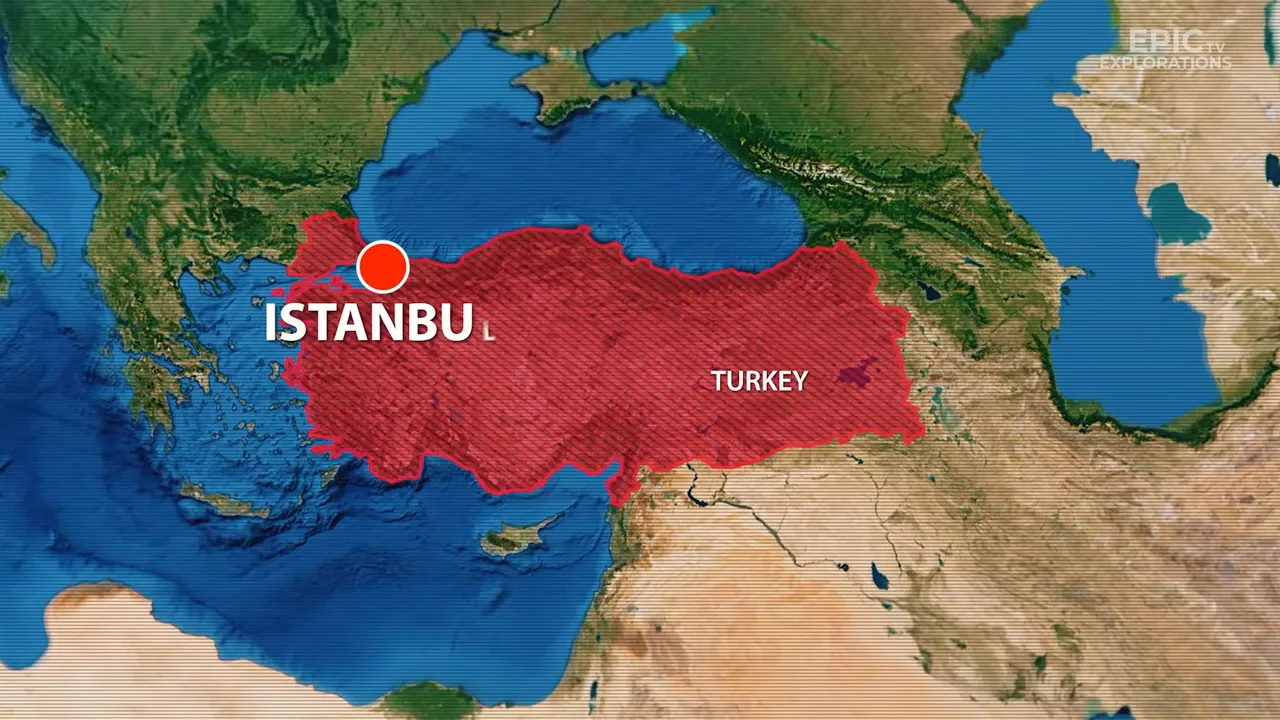
From the Bosphorus that splits Istanbul into two continents to the salt-flat mirrors of central Anatolia, this is a place where landscapes change faster than the weather. Travel across regions and you can experience summer beaches, snowy peaks, volcanic valleys, and salt deserts all within a single trip.
Culture, traditions, and everyday magic
Türkiye's history is layered: Hittites, Greeks, Romans, Byzantines, and Ottomans have all left traces that shape daily life. The country has been a secular republic since 1923, yet most people practice Islam, and traditional rituals and symbols remain vivid and visible.
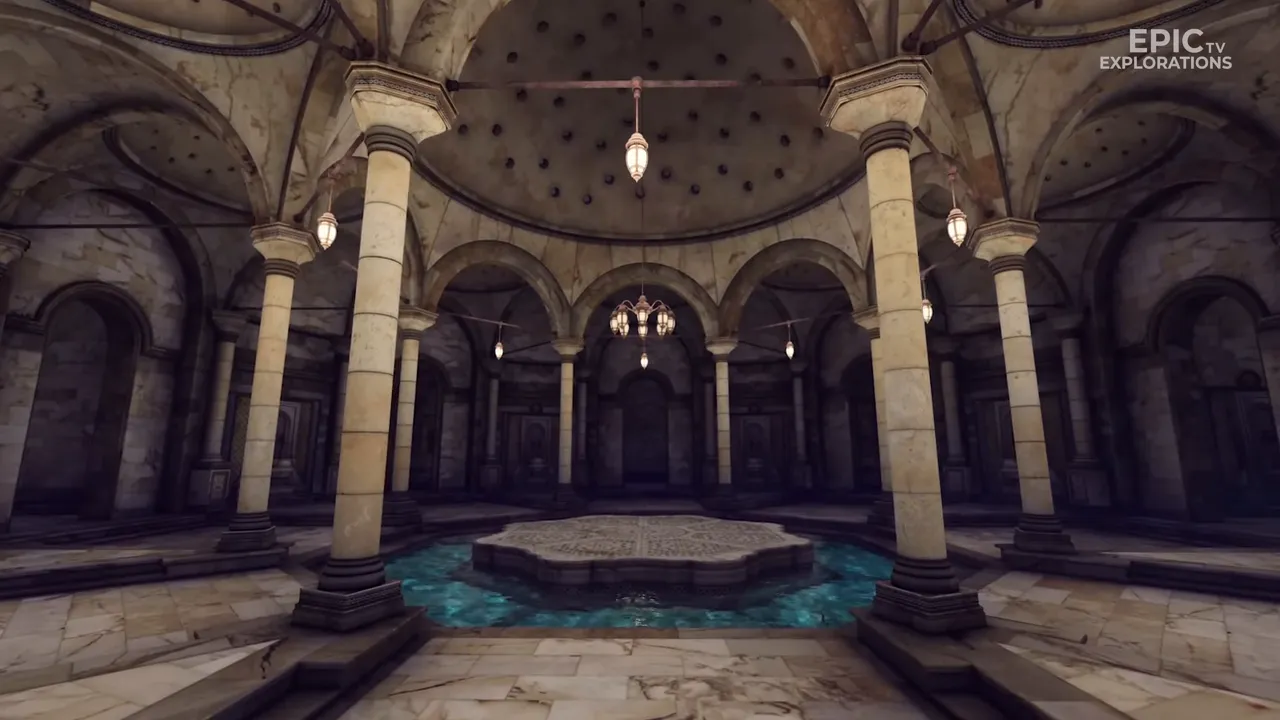
The hamam is more than a bath. It is a social ritual, a pause for relaxation and renewal that evolved from Roman bathing culture and was perfected during the Ottoman era. Everywhere you go you'll spot the nazar boncuğu, the blue eye amulet hung to ward off the evil eye. Tulips, famously associated with Holland, were actually cultivated here and exported in the 16th century.
Food and drink reflect regional diversity. There is no single "Turkish cuisine" but many local cuisines: kebabs, baklava, raki, and the artful preparation of Turkish coffee. Yet tea is the beverage of choice, served in tulip-shaped glasses that echo a long cultural story.
Highlights: must-see places
Cappadocia & Göreme
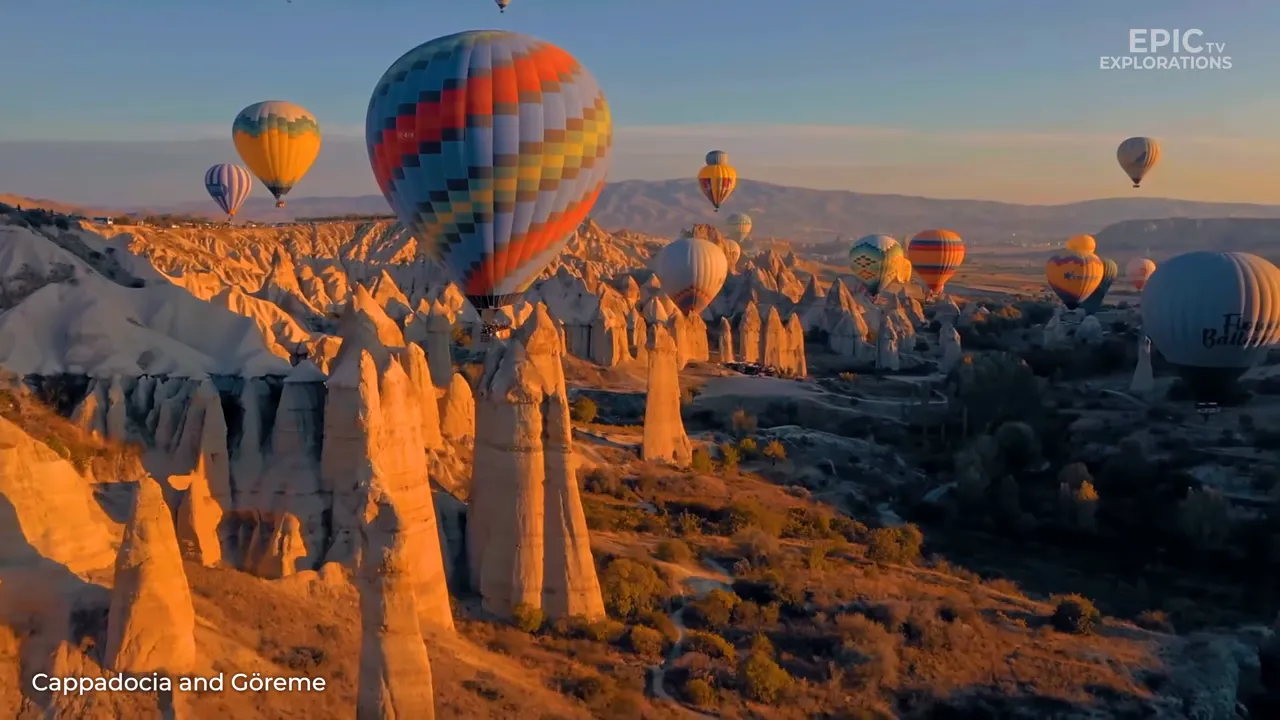
A lunar landscape carved by wind and water, Cappadocia's fairy chimneys and underground cities create an otherworldly panorama. Dawn balloon flights paint the sky while cave churches and Byzantine frescoes in Göreme recall centuries of devotion. Many caves now host boutique hotels where history and hospitality meet.
Antalya
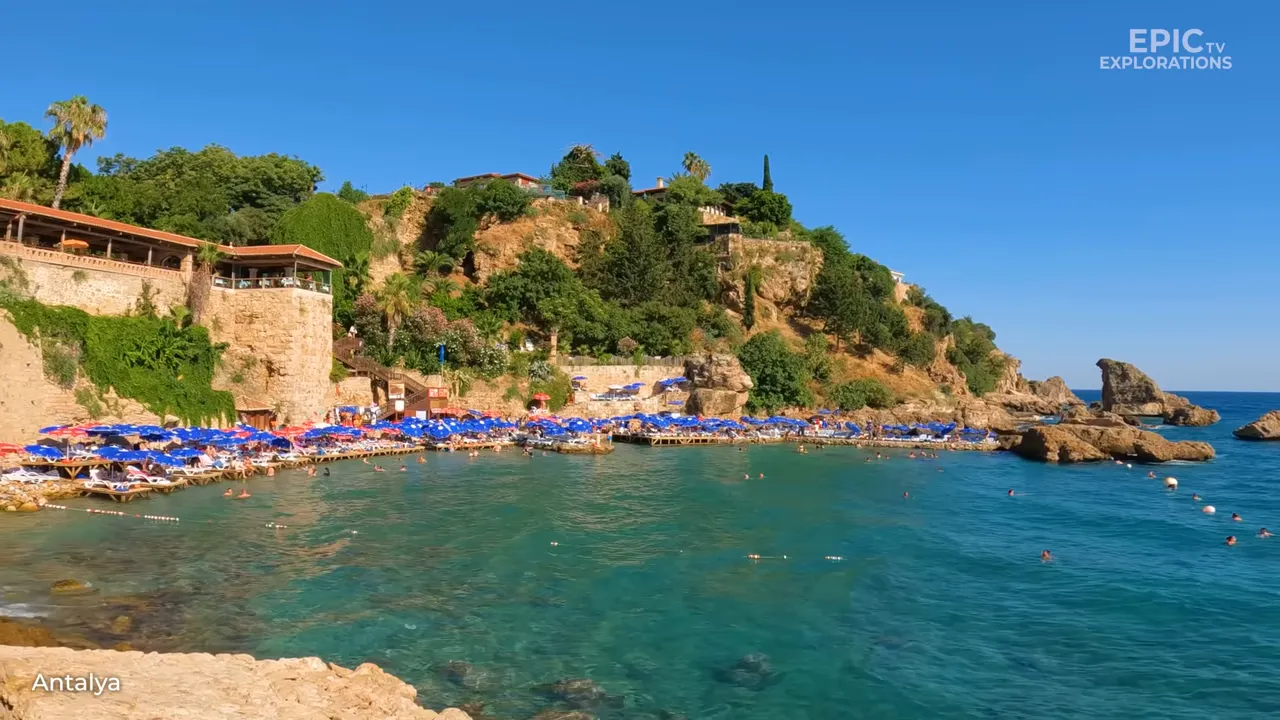
Where Mediterranean turquoise softens limestone cliffs, Antalya combines beaches, waterfalls, and a restored Ottoman quarter called Kaleiçi. Roman gates like Hadrian's Gate and seaside harbors with yachts link antiquity to modern leisure.
Bodrum
Whitewashed houses tumble toward an Aegean port dominated by a medieval castle that houses underwater archaeology. Windmills on the hills and a lively nightlife make Bodrum equal parts history and seaside escape.
Trabzon & Sumela Monastery
On the Black Sea coast, Trabzon preserves Byzantine and medieval layers. A short journey inland brings you to Sumela, a 4th-century monastery clinging to a cliff face with vivid frescoes that feel suspended between rock and sky.
Ani
On the border with Armenia, the ruined medieval capital of Ani was once a bustling hub on the Silk Road. Today its cathedral walls and collapsed bridges return a haunting sense of a city abandoned to wind and history.
Mardin
Honey-colored houses cascade down a hill above the Mesopotamian plain. Mosques, churches, and monasteries sit side by side; stone-carved facades and spice bazaars preserve a long tradition of coexistence and craftsmanship.
Aspendos
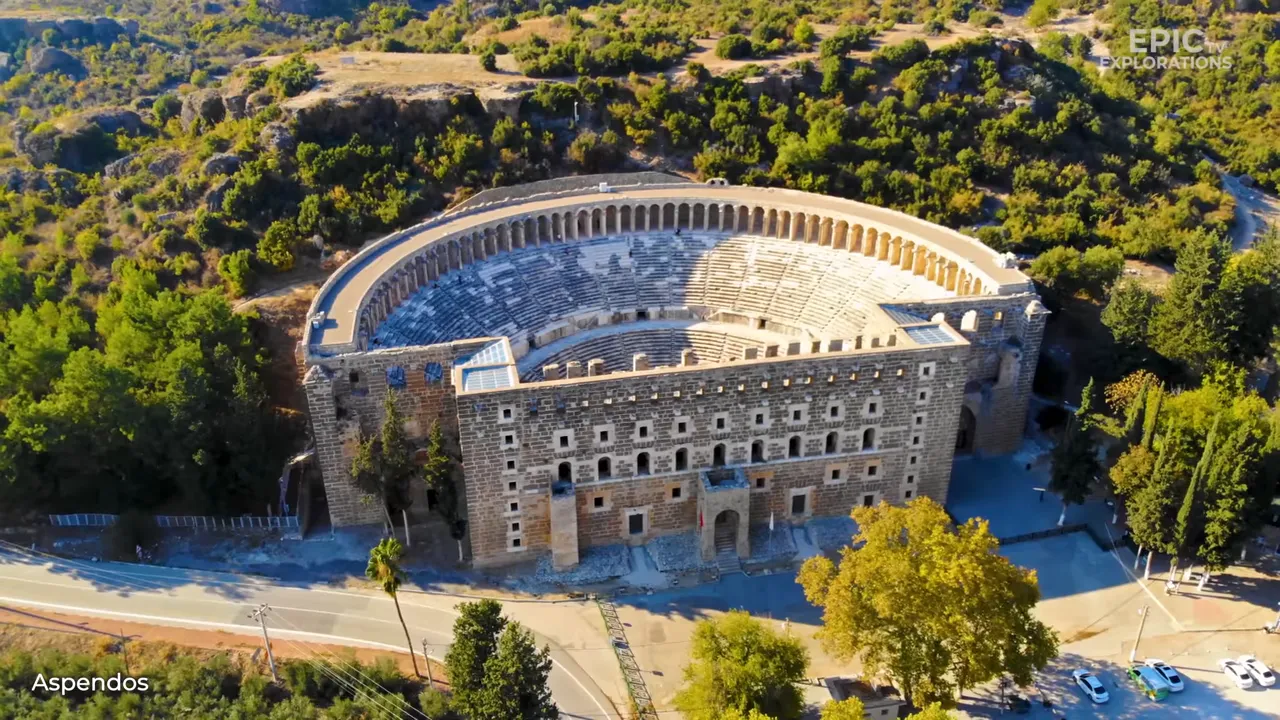
Near Antalya, the Roman theater of Aspendos is an acoustic masterpiece nearly 2,000 years old. Stones set with exacting precision still carry sound from stage to the highest row, and seasonal concerts revive the ancient space.
Ephesus
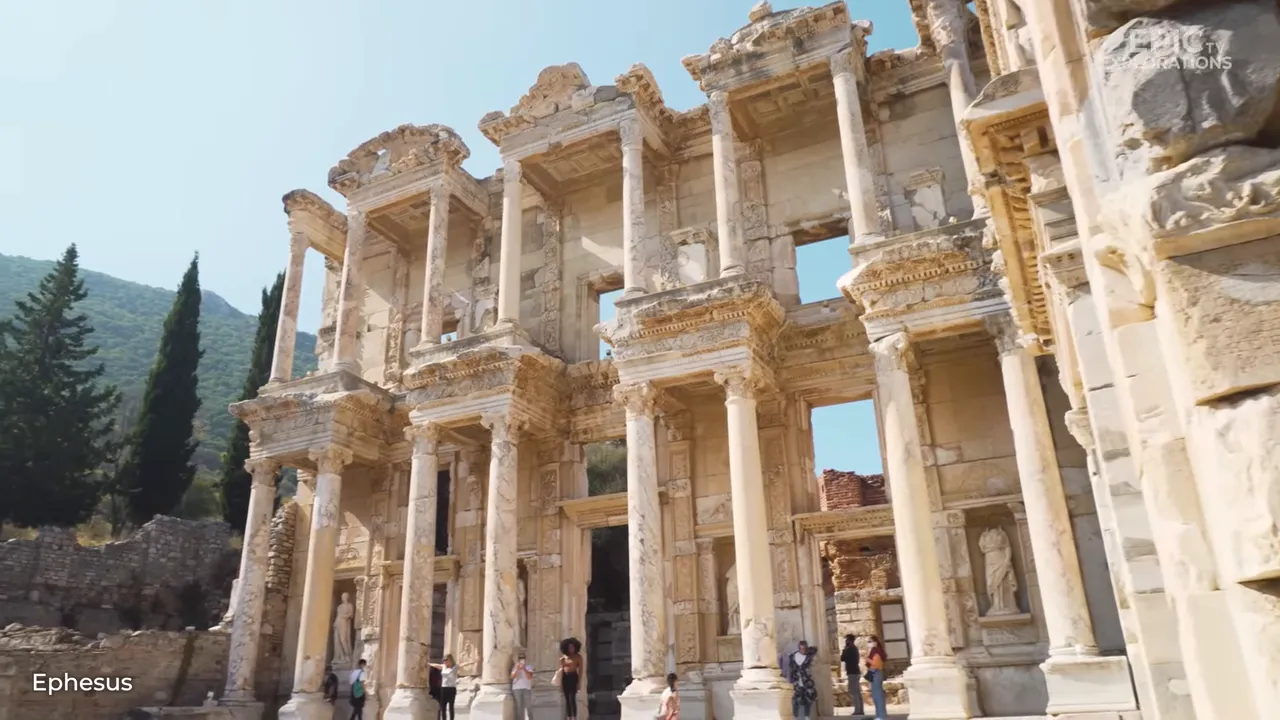
Ephesus reads like an open-air history book: the Library of Celsus, the Great Theater, and the Marble Road that once led to the Temple of Artemis. Archaeological work continues to reveal mosaics and streets, making every visit a discovery.
Fethiye & Ölüdeniz
Harbors framed by Lycian tombs connect modern life to ancient seafaring. Ölüdeniz's lagoon is a turquoise jewel where paragliders from Mount Babadağ glide over calm waters and Butterfly Valley shelters rare species below sheer cliffs.
Kaş & Kekova
Kaş is a small Mediterranean gem with narrow streets and secluded beaches such as Kaputaş. Nearby Kekova reveals a partially submerged Lycian city: ruins visible under clear water and the silhouette of Simena Castle above it.
Istanbul
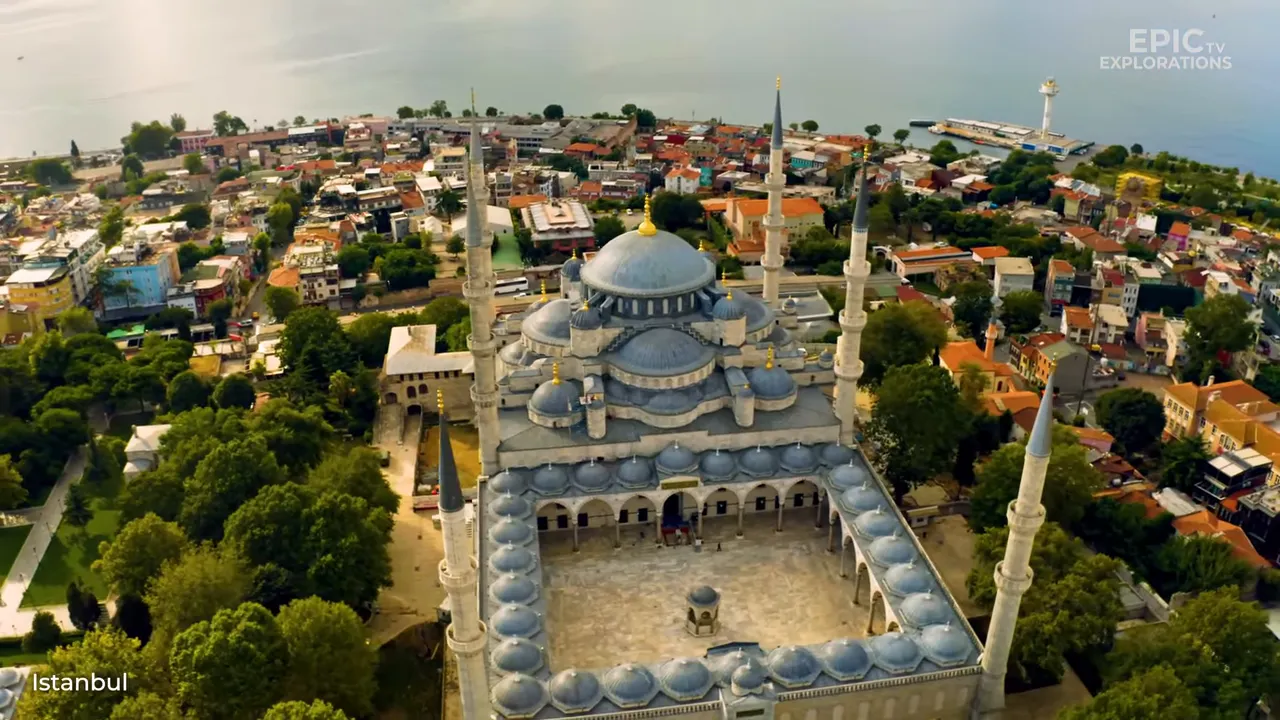
Istanbul is the city's history written in stone and water. The Blue Mosque's thousands of tiles and Hagia Sophia's enduring dome narrate empires and faiths. Labyrinthine markets still release the scent of spices and textiles that have moved through these corridors for centuries.
Pamukkale & Hierapolis
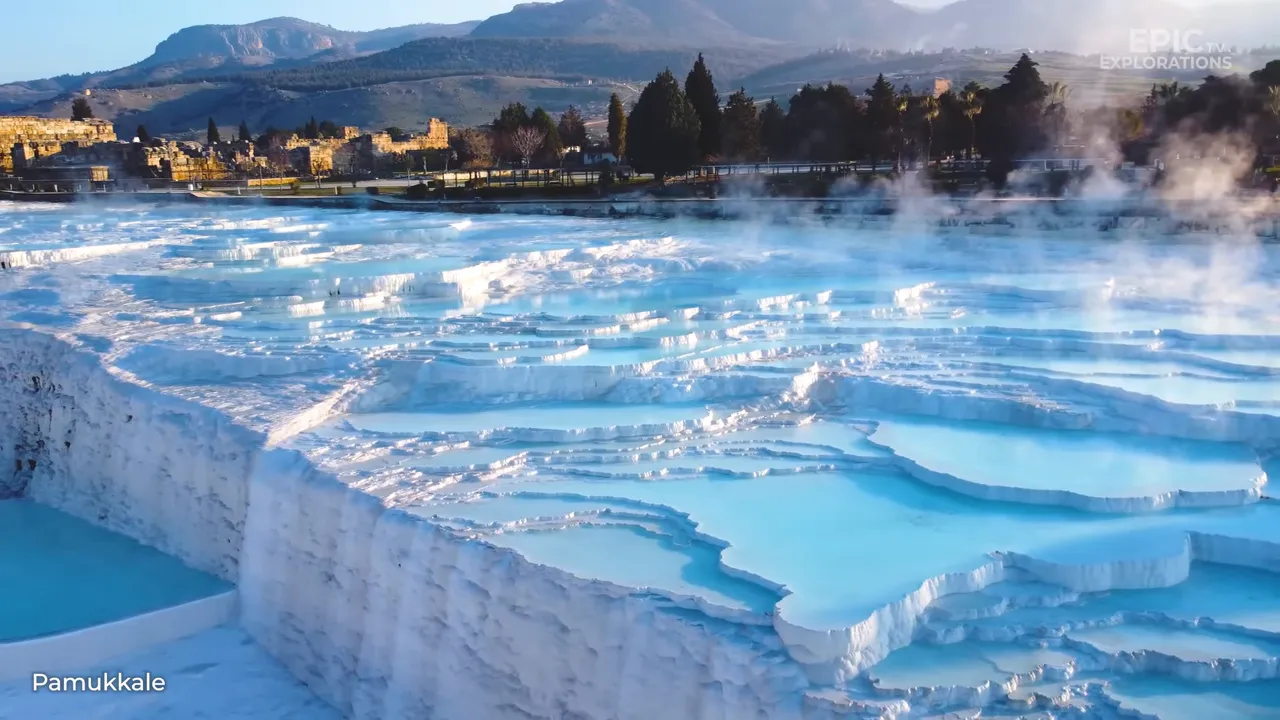
Travertine terraces formed by mineral-rich thermal waters look like frozen waterfalls. Walk barefoot across white pools while Roman ruins of Hierapolis perch at the top of the hill, where ancient baths and a theater speak to a culture of healing and leisure.
Lake Van & Akdamar Island
At high altitude, Lake Van's alkaline waters support endemic life like the Van fish. Akdamar Island hosts a 10th-century Armenian church with detailed bas-reliefs depicting biblical scenes that bridge artistic traditions.
Patara
With 12 kilometers of sand and an ancient port, Patara is a place where sea turtles still nest and the remnants of a Lycian democracy lie among the dunes. The Roman amphitheater emerges from the sand, inviting reflection at sunset.
Ihlara Valley
A deep canyon carved by the Melendiz River reveals cave churches, hiking paths, and village traditions such as handwoven carpets. The valley is a quiet corridor of nature and history.
Lake Tuz
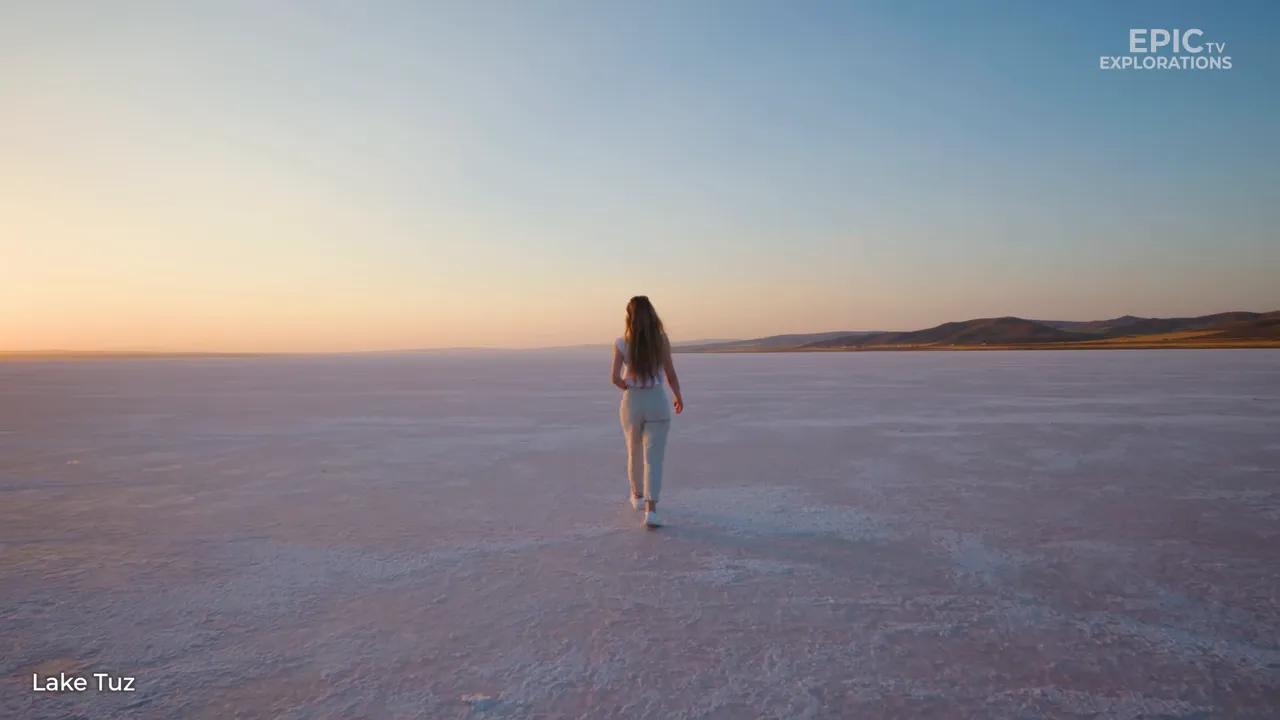
When dry, Lake Tuz becomes a salt plain where walking feels like treading on snow. After rains it turns into a mirror that blurs the horizon, and migrating flamingos paint the white salt with pink accents at certain seasons.
Amasya
Riverside Ottoman houses and Pontic rock tombs carved into a cliff face give Amasya a cinematic quality. The city was once a training ground for Ottoman princes, and its madrasas and palaces reflect that legacy.
Safranbolu
Preserved Ottoman houses, narrow lanes, and lingering saffron scents recall a Silk Road trading town. Craftsmen still work copper and leather while pastry shops fill the air with lokum and sweets.
Kayaköy
An abandoned Greek village frozen in time, Kayaköy holds 400 empty stone houses and silent streets where wild cats now wander. The site is a poignant testament to 20th-century population movements and their human consequences.
Dalyan
A maze of reeds and channels shelters flamingos and herons; Iztuzu beach nearby is a protected nesting ground for caretta caretta turtles. Traditional wooden boats, or taka, glide through the lagoon offering a slow way to explore this fragile ecosystem.
Lake Salda
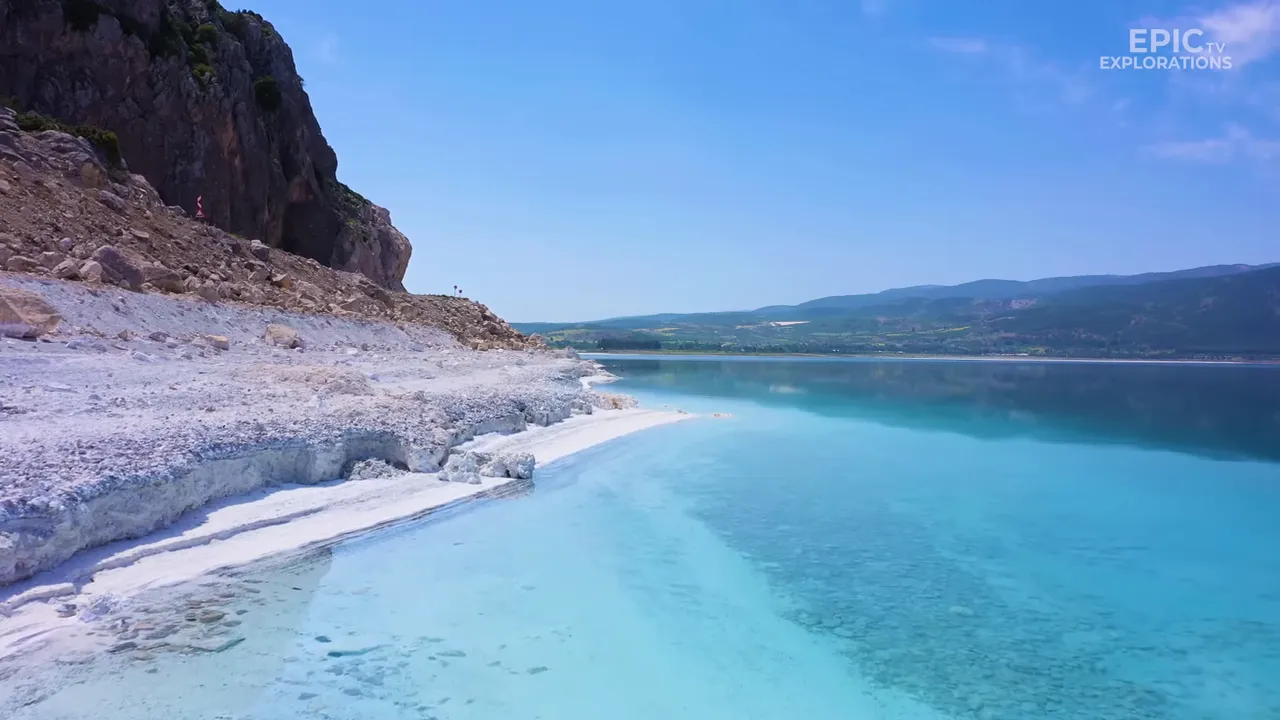
With turquoise waters and white magnesium-rich sand, Lake Salda resembles Martian mineral signatures and has even drawn scientific interest. Its shores produce a glassy noise underfoot and local legends speak of restorative waters.
Konya
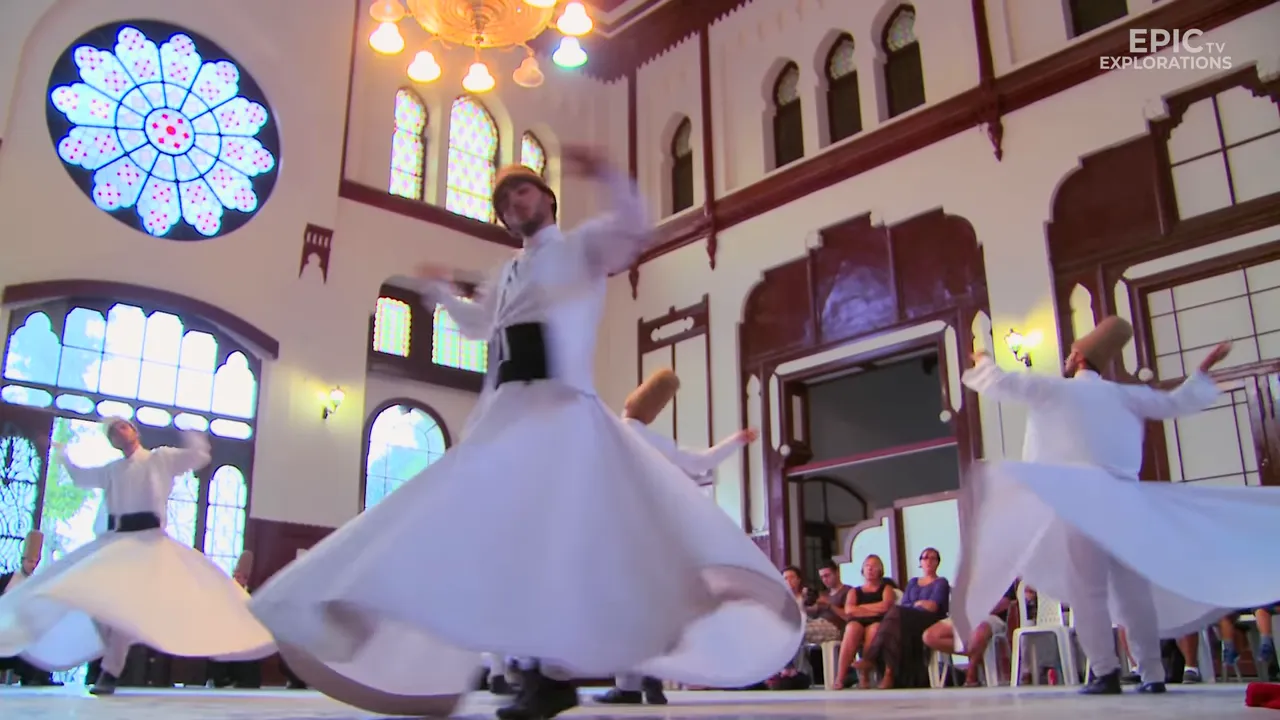
Konya is Rumi's city and a living center of Sufi culture. The Mevlana Museum and the turquoise-domed mausoleum attract those seeking poetry, music, and the contemplative practice of the whirling dervishes.
Marmaris
A natural bay that has hosted sailors for millennia, Marmaris blends castle, harbor, and whitewashed streets. Bougainvillea spills from balconies and morning cruises depart toward quiet coves and hidden bays.
Ankara
The modern capital balances republican monuments and ancient citadel walls. Anitkabir, the mausoleum of the republic's founder, anchors national memory while parks and restored neighborhoods offer everyday life and leisure.
Mount Nemrut
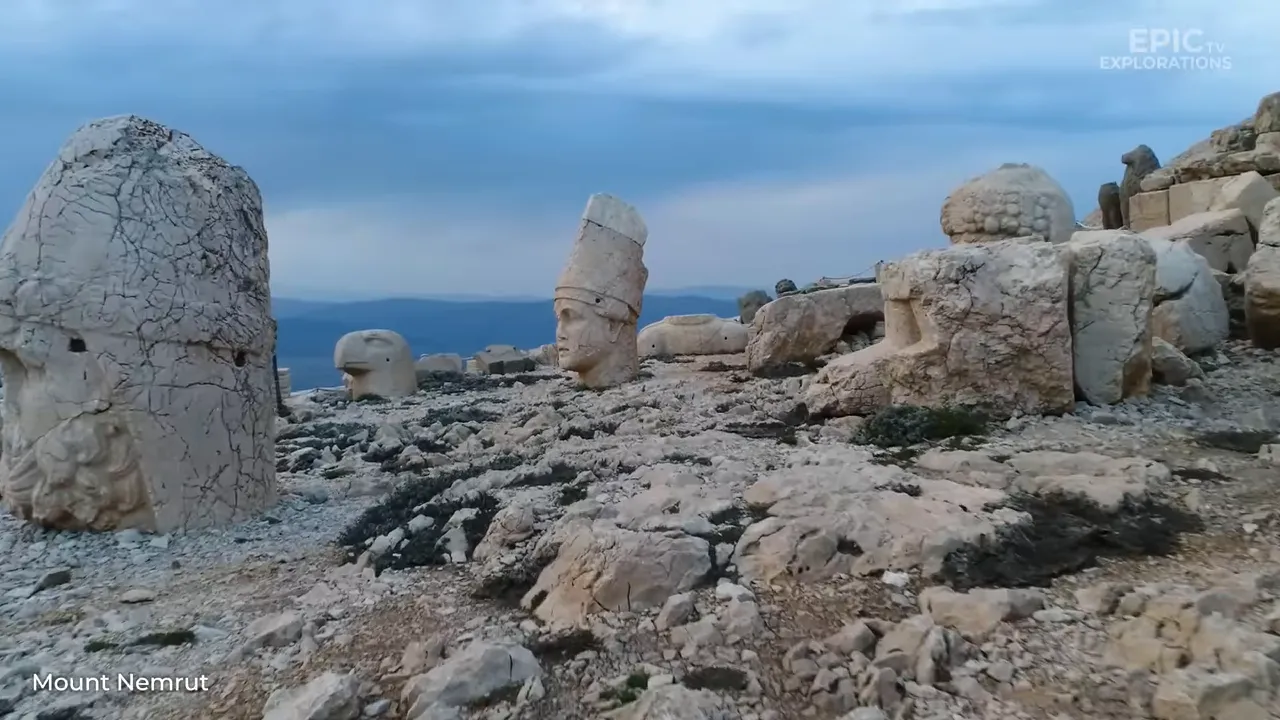
Atop an eastern summit, colossal stone heads of Greco-Persian deities gaze across a funerary complex from two thousand years ago. Their worn faces and dramatic silhouettes at sunrise are emblematic of mystery and time.
Göbekli Tepe
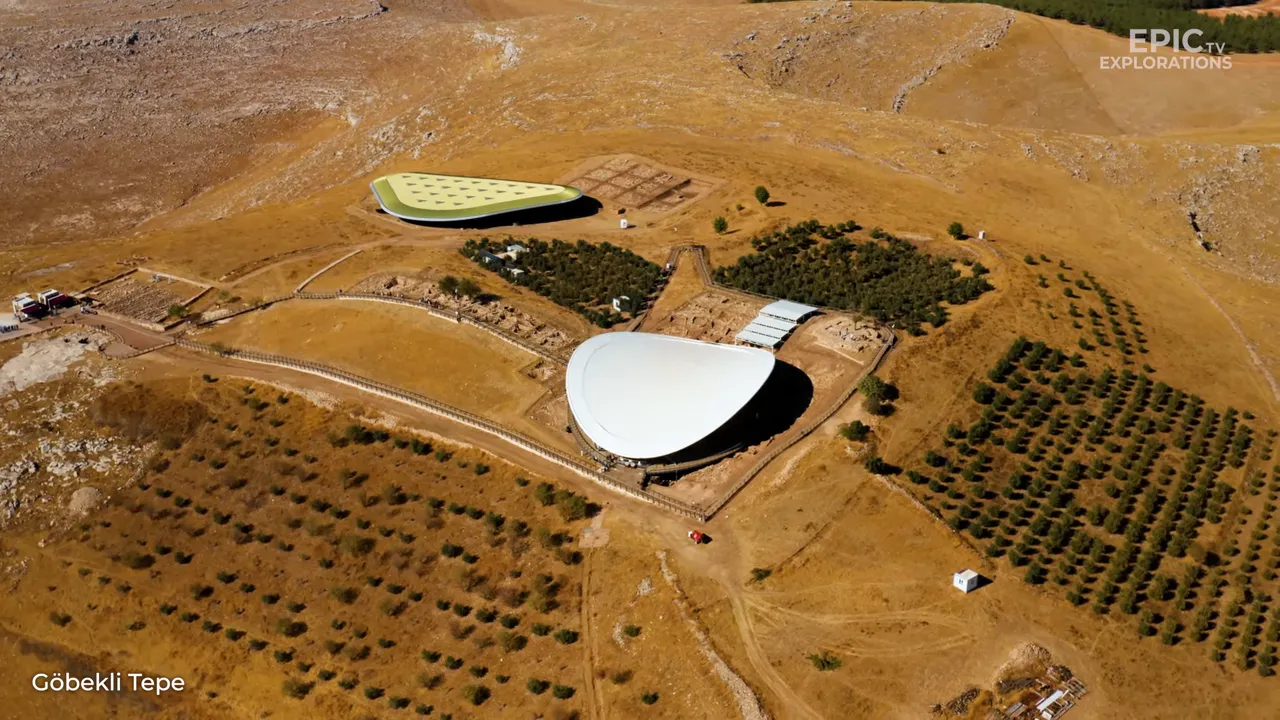
One of the most revolutionary archaeological discoveries of the modern era, Göbekli Tepe predates Stonehenge and the pyramids by millennia. Circular enclosures with carved pillars show complex ritual architecture built by hunter-gatherers and force a rethink of the origins of organized society.
Mount Ararat
Snow-capped and sacred in multiple traditions, Mount Ararat towers on the eastern horizon. It attracts climbers, legend seekers, and those curious about the mountain that features in ancient flood narratives.
Practical tips for visiting Türkiye
- Seasonal variety - Weather and landscapes vary dramatically between regions. Check local conditions before planning multi-region trips.
- Respect cultural sites - Many historic and religious sites remain active places of worship. Dress modestly when required and follow on-site rules.
- Timing for experiences - Dawn is the best time for balloon flights in Cappadocia, while sunset transforms Pamukkale and Ephesus into golden spectacles.
- Wildlife and conservation - Beaches like Iztuzu protect turtle nests; observe restricted hours and local guidelines to help conservation.
- Local transport - Coastal towns are connected by ferries and coastal roads; interior and eastern regions may require more planning and longer travel times.
- Souvenirs and etiquette - Tea, coffee, nazar amulets, and local sweets are perfect tokens. Haggling is common in bazaars; approach trade with a friendly spirit.
Where history meets landscape
Türkiye is not a single destination but a mosaic of places where nature, faith, art, and commerce have braided together over millennia. Whether you seek open-air archaeology, hot air balloon dawns, thermal terraces, or quiet villages carved into rock, this country rewards curiosity. Twenty-one UNESCO World Heritage sites and countless local traditions mean there is always another alley, temple, or shore to discover.
Travel here with time and openness. Each region unfolds its own tempo, and each visit adds a new page to a story that has been told for thousands of years.
Editor note: No external URLs were provided in the links list. Below are suggested 1–3 word anchor texts and example placeholders you can insert into the article. Replace each href="#" with the actual URL when available.
- Suggested anchor: — place in the paragraph describing dawn balloon flights and cave hotels.
- Suggested anchor: — place in the paragraph about beaches, waterfalls, and Kaleiçi.
- Suggested anchor: — place in the paragraph about the medieval castle and nightlife.
- Suggested anchor: — place in the paragraph mentioning the Blue Mosque and Hagia Sophia.
- Suggested anchor: — place in the paragraph describing the Library of Celsus and the Great Theater.
- Suggested anchor: — place in the paragraph about travertine terraces and Hierapolis.
- Suggested anchor: — place in the paragraph about the archaeological discovery predating Stonehenge.
- Suggested anchor: — place in the paragraph referencing the snow-capped peak and its legends.
- Suggested anchor: — place in the paragraph describing the salt plain and flamingos.
- Suggested anchor: — place in the Dalyan paragraph about turtle nesting grounds.
If you supply the URLs, I can generate a ready-to-paste JSON object mapping each exact anchor text to its URL and indicate the precise sentence for insertion.
This article was created from the video Wonders of Türkiye | Most Amazing Places in Turkey | 4K Travel Guide with the help of AI.


