

This guide explains how to Buy Real Estate in Dubai—what to expect, the documents and mortgage rules, the fees you must budget for, and the exact steps for buying both ready and off-plan properties. Use this as a practical checklist when planning a purchase or investment in Dubai.
Who should consider buying property in Dubai?
Buying property in Dubai can suit expatriates looking for a home, long-term investors, and buyers aiming to qualify for residency benefits. The market often offers competitive buy vs rent ratios and developer payment plans that can lower upfront costs compared with other global cities.
Ready property vs off-plan: which path to take?
There are two main options when you decide to Buy Real Estate in Dubai:
- Ready property: Completed units ready to move in or rent immediately.
- Off-plan property: Units bought during construction directly from a developer, paid in stages according to a payment plan.
Quick comparison
- Price: Off-plan often cheaper per square foot early on.
- Risk: Off-plan has construction and timing risks; escrow rules protect buyer deposits.
- Cash flow: Ready property can generate rental income immediately.
How mortgages work for expats
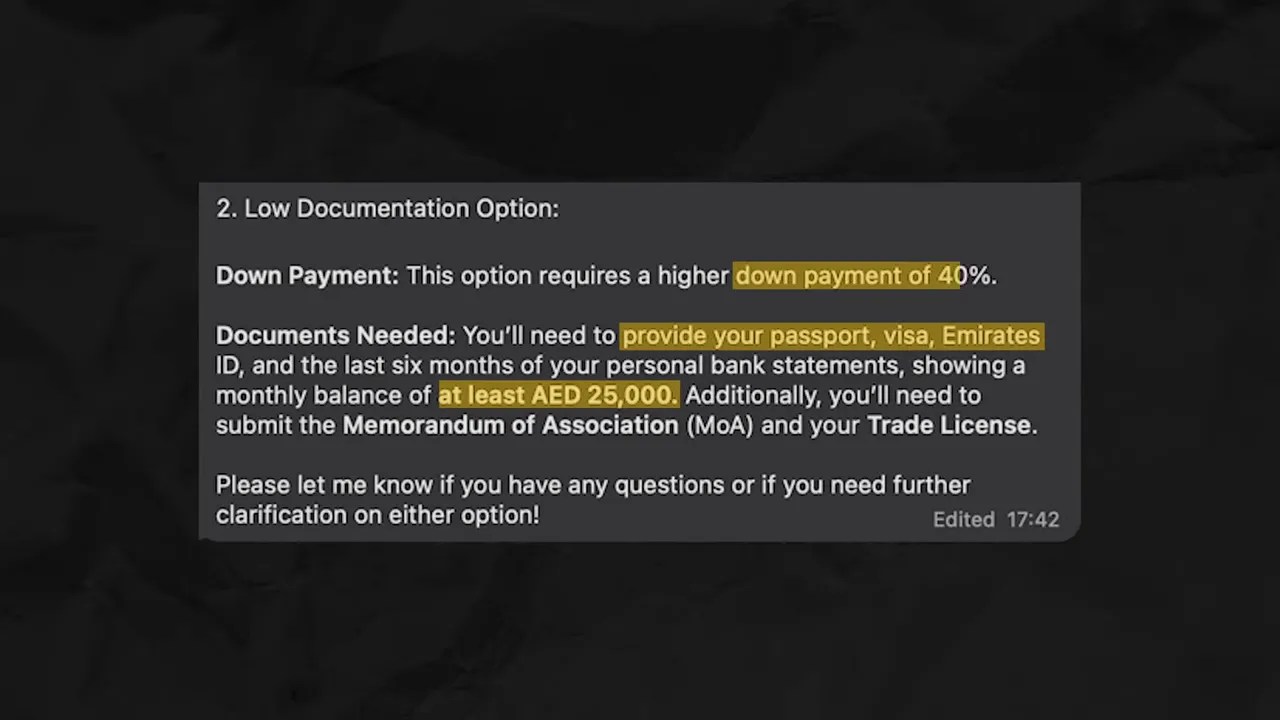
Mortgage offers vary by employment type and duration in the UAE. Common patterns:
- Salaried employees: Typically can access mortgages with 20% down payment (depending on bank policy and salary documentation).
- Self-employed or business owners: Often face higher down payment requirements (commonly 30–40%) unless the company demonstrates a stable track record and office presence.
- Documentation: Passport, visa, Emirates ID, 3–6 months personal bank statements (showing required balances), salary certificate or audited accounts for business owners.
Banks also consider your length of residency in the UAE. After about two years on local records you get access to better mortgage options at lower down payments.
Step-by-step: Buying ready property in Dubai
If you choose to Buy Real Estate in Dubai as a ready property, follow these steps:
- Get mortgage pre-approval to confirm your borrowing capacity.
- Shortlist properties and interview multiple agents—check licences and track record.
- Make an offer and negotiate price, included fixtures, and handover dates.
- Once offer accepted, complete mortgage application and valuation.
- Pay down payment and all registration fees, then register title with Dubai Land Department.
- Set up utilities and move in or start letting management if renting out.
Fees and an example cost breakdown

When you Buy Real Estate in Dubai, expect a number of one-time and recurring costs. Typical one-time fees:
- Dubai Land Department (DLD) transfer fee: 4% of purchase price.
- Mortgage registration: 0.25% of loan amount + admin fee (approx AED 290).
- Property registration: AED 2,000 (under AED 500k) or AED 4,000 (above AED 500k) plus VAT.
- Valuation fee: Around AED 2,500–3,500 + VAT (bank charges).
- Arrangement/processing fee: Often around 1% of loan amount (negotiable).
- Broker/agency commission: Typically 2% of purchase price + VAT (check who pays—seller, buyer, or developer promotion).
Example (2,000,000 AED property)
If you buy a property for AED 2,000,000 and put down AED 400,000 (20%), expect upfront fees in the order of AED 150,000 in addition to the down payment. That makes total upfront cash around AED 550,000 in this example. Exact numbers depend on loan size, negotiated fees, and any promotions.
Ongoing ownership costs
Ongoing costs include utilities, maintenance and service charges (commonly quoted as AED 10–20 per sq ft per year), municipality fees, and agent or management fees if you rent the unit out. Factor these into your cash-flow model before purchasing.
Buying off-plan in Dubai: process and protections
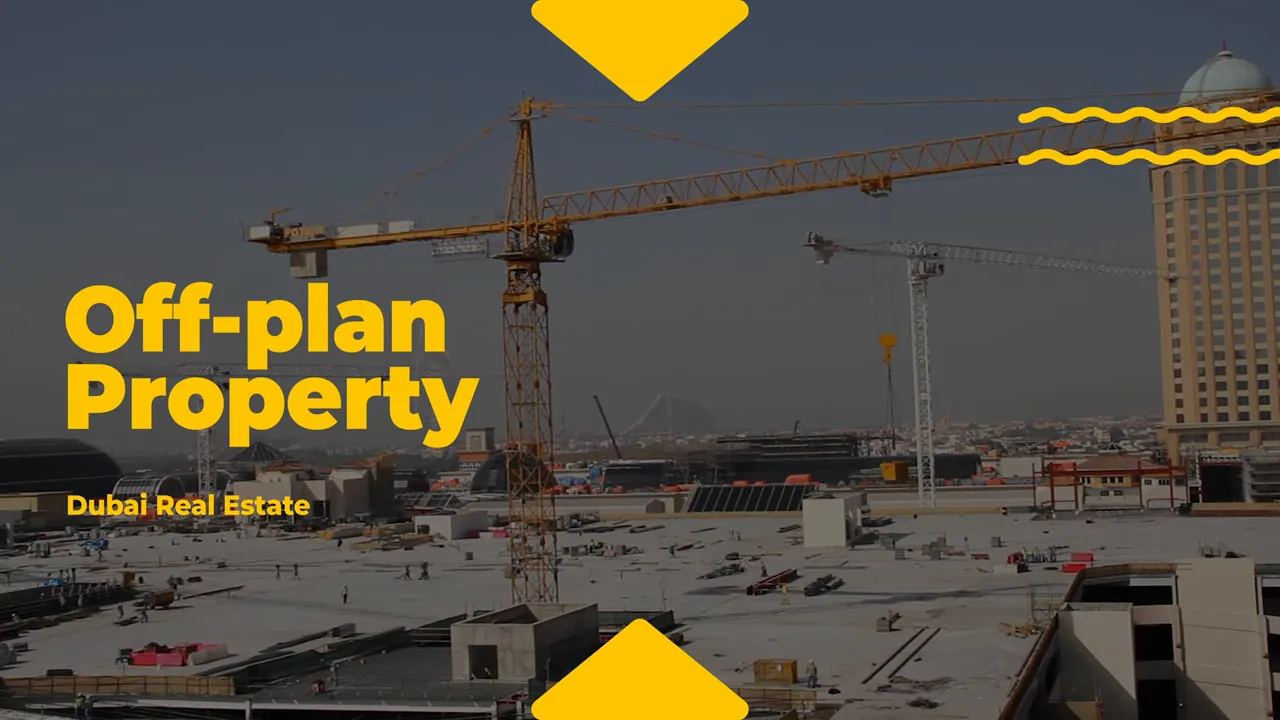
Buying off-plan can reduce the up-front price but requires careful due diligence. Key steps and protections:
- Check escrow: By law, buyer payments are held in a developer escrow account and released only as milestones are met. Confirm the escrow bank and account.
- Study the developer: Track record, delivered projects, and on-time completion history matter.
- Review payment plan: Payment plans vary — 10% reservation, staged construction payments, or extended post-handover plans.
- Reservation and SPA: You usually pay a non-refundable reservation deposit (commonly 5–15%), then sign the Sales and Purchase Agreement (SPA) which commits you to terms and payment schedule.
- Post-dated checks: Payments are often collected via post-dated checks. Keep cash flow ready before dates fall due.
Handover, snagging and title registration

Before final takeover, conduct a pre-handover inspection (snagging) to record defects and incomplete works. Submit a snag list to the developer and ensure repairs are scheduled. After final payments are made, register the title deed with the Dubai Land Department to be listed as the owner.
Freehold vs leasehold and residency benefits
Most Dubai properties in designated areas are offered as freehold, meaning full ownership of the unit and land rights in many zones. Some properties (or villas in certain communities) are leasehold, typically up to 99 years.
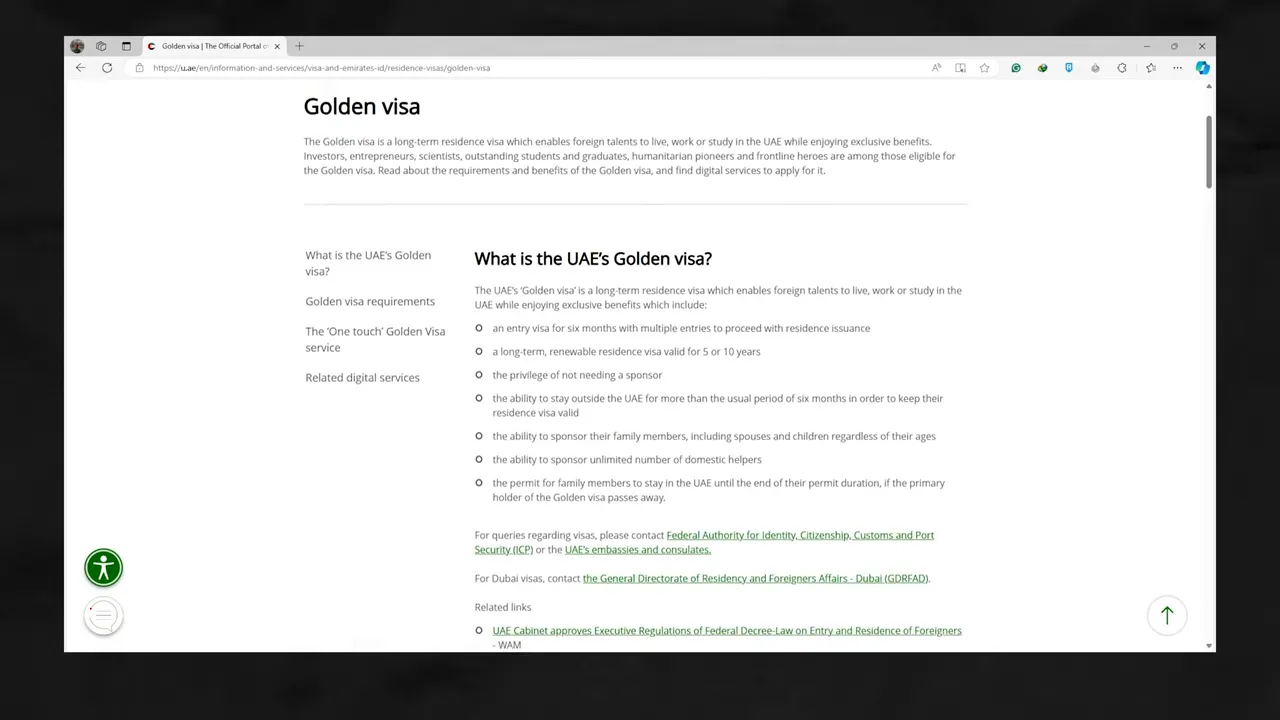
Buying qualifying property (value thresholds apply) can also unlock long-term residency options, including the UAE Golden Visa for eligible high-value purchases.
Common mistakes and pitfalls
- Not getting mortgage pre-approval before house-hunting.
- Working with unlicensed or inexperienced agents; always check RERA/TEC and company records.
- Ignoring escrow and SPA details on off-plan deals.
- Failing to budget for service charges and maintenance.
- Missing post-dated check dates or underfunding the account.
Practical checklist before signing
- Get mortgage pre-approval or confirm cash availability.
- Verify developer credentials and escrow account for off-plan purchases.
- Request a full breakdown of fees and who pays them.
- Inspect the ready property or review approved plans and finishes for off-plan.
- Confirm handover timelines, snagging process, and warranty terms.
- Arrange post-handover utilities and service contracts in advance.
Takeaway
To Buy Real Estate in Dubai successfully, prepare by securing mortgage pre-approval (if needed), understanding the total upfront and ongoing costs, choosing between ready and off-plan based on your timeframe and risk tolerance, and doing due diligence on agents and developers. Proper planning and careful contract review will reduce surprises and protect your investment.


