

Buying real estate is one of the biggest investments most people make. Before Buying Property in Dubai, there are a few practical checks you must run so that the purchase becomes an asset, not a headache. Below are five clear, actionable tips that will help you choose the right home or investment property in Dubai — and avoid one of the most expensive mistakes of your life.
1. Set a realistic budget (and stress-test it)
The first rule is simple: know what you can comfortably afford. It is easy to be tempted by properties that stretch your mortgage to the limit, but you should ask yourself: can I still afford this if interest rates rise, if I lose a job, or if major repairs are needed?
Practical steps:
- Calculate total monthly housing costs: mortgage, maintenance, service charges, insurance, utilities.
- Stress-test your budget by adding 10–20% to expenses and checking affordability if income falls or rates increase.
- Keep an emergency reserve for unexpected repairs or periods without tenants if you plan to rent the property.
2. Location matters more than fittings
You can upgrade interiors but you cannot change the neighbourhood. Location affects daily life and long-term value. Before Buying Property in Dubai, make sure the area matches your lifestyle and logistics.
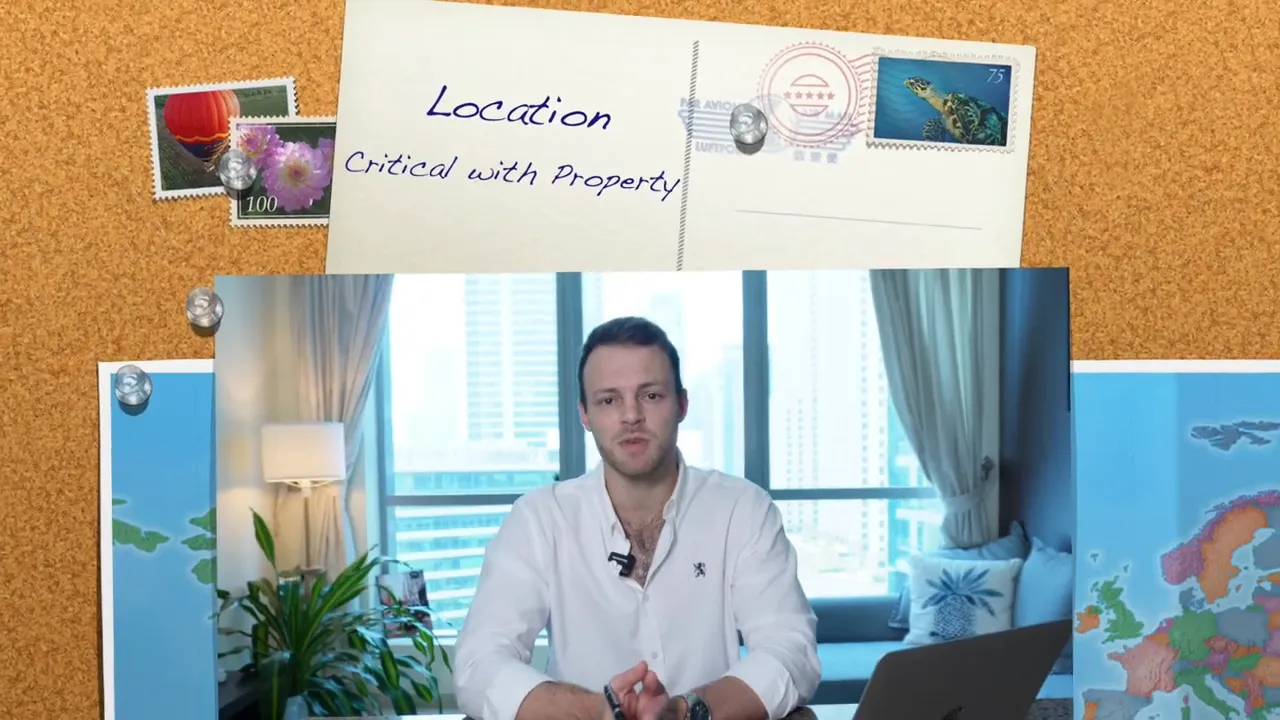
Questions to answer about location:
- How long is the commute to work at peak times?
- Are there good schools nearby if you have children?
- What is the neighbourhood like at night and on weekends?
- Is public transport or a main bus route within walking distance?
Visit potential neighbourhoods at different times of day. Check traffic to school or work during rush hour. Imagine daily routines — if logistics don’t work, no amount of interior upgrades will make the property right for you.
3. Who built it? Developer reputation matters
The company behind a project affects quality, service charges, finishes and how well communal areas are maintained. In Dubai, master developers like Emaar and Nakheel are known for investing in community facilities and long-term upkeep.
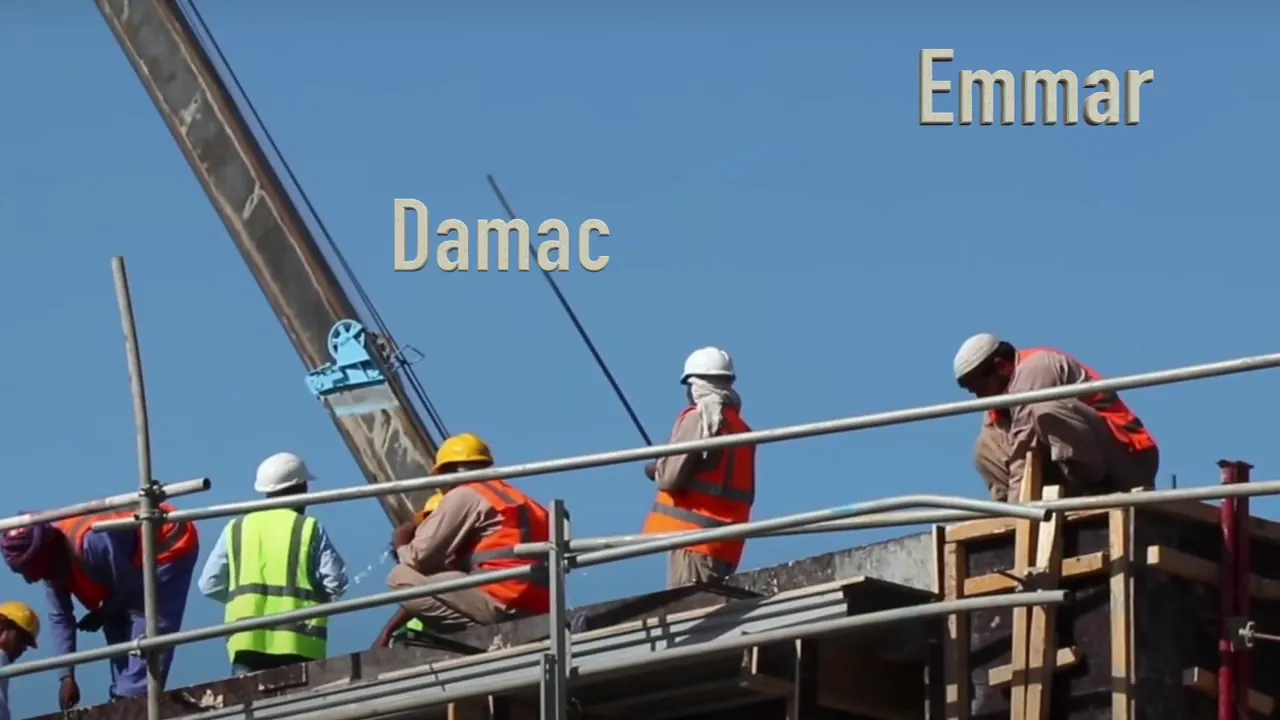
How to evaluate the developer:
- Check previous projects for build quality and whether they were delivered on time.
- Read owner reviews and community feedback.
- Look at how well communal areas are maintained in existing developments from the same developer.
4. Assess amenities — both community and property-level
Amenities influence daily life and future resale. Some buyers want swimming pools, tennis courts and playgrounds; others prefer mature landscaping and green space. In Dubai, greenery can be scarce, so if parks and trees matter, prioritise communities that already have them.

Checklist for amenities:
- What communal facilities are available? Pools, gyms, parks, courts?
- Does the specific building or villa include private amenities you care about?
- If greenery is important, does the property have room to create a garden or is there an established landscape?
5. Think resale from day one
Even if you plan to live in the property for years, market preferences change. Before Buying Property in Dubai, consider the future pool of buyers for your unit. A beautiful home in a poor location or with low-quality community management will be harder to sell.

Resale considerations:
- Choose locations with long-term demand: proximity to business districts, reputable schools or established communities.
- Prefer developers and communities with a track record of maintenance and stable service charges.
- Think about flexibility: properties that appeal to both families and professionals have a larger buyer base.
A short checklist to carry with you when viewing
- Confirm total monthly cost and a 10–20% buffer.
- Visit the area at different times of day.
- Research the developer’s previous projects.
- Map nearby schools, transport links and essential services.
- Inspect communal areas and landscaping maintenance.
- Ask about service charges, reserve funds and any upcoming community works.
Final thoughts
Buying well in Dubai can create significant financial upside and an excellent lifestyle. Before Buying Property in Dubai, focus on budget realism, location fit, developer reputation, amenities that suit your life, and the future resale market.
Take time to evaluate these five areas and you will dramatically reduce the risk of an expensive mistake — and increase the chances your purchase becomes a valuable, enjoyable home.
If you want personalised guidance, consider booking a strategy session with an adviser who knows the local market and can match neighbourhoods to your priorities.


